
Why Plumbing and Heat are Key in Retrofit
As the West of England progresses toward reducing carbon emissions by 2030. We explore the importance of plumbing and heating with opportunities for installers and homeowners.
With more than 30 million homes in the UK, and a fifth of them being responsible for all the emissions in the country, and a large amount of that being generated by home heating. Exploring why plumbing and heating is key in retrofit and renovation and what opportunities we have for homeowners and installers to help our overarching mission in the West of England to help reduce carbon emissions by 2030.
Retrofit and Renovation
With millions of homes in the Britain not meeting the requirements for Energy Performance Certification C. With under-performing EPC ratings meaning higher energy bills alongside reduced levels of comfort throughout the year.
Making sure existing homes meet EPC rating C is key for reducing carbon emissions by 2030 in West of England. This can be achieved by, the renovation of these existing homes and retrofit of effective plumbing and heating systems. This includes, underfloor heating all the way to heat pumps to help improve energy efficiency.
Installers and Retrofit
Installers will play a huge role, working directly with homeowners with millions of homes needing energy efficiency upgrades and retrofit work.
Training and courses to help equip installers with the knowledge and skills ease them into the world of Retrofit. At Retrofit West, we’ve forged partnerships with training providers and colleges to offer a range of accredited courses and training opportunities.
Our Trusted Professionals are installers who meet our standard. Homeowners can get connected with them right away for your retrofit project. Got a question? Chat to our trusted professionals for free on our forum!
Underfloor heating (UFH) is an effective solution that can be installed to enhance efficiency and comfort within a property. Suitable for both modern and traditional heat sources, UFH functions efficiently at much lower temperatures compared to conventional radiator systems, thereby reducing energy consumption while adequately heating a home. Positioned beneath the floors, UFH covers a much larger surface area, allowing it to heat spaces more swiftly and effectively, thereby improving both comfort and efficiency.
What’s next for home heating?
Currently, around 80% of homes are connected to the gas network. To help reduce carbon emissions by 2030, moving away from gas will have an overall great impact.
Thousands of homes are already in the process of transitioning with the installation of heat pumps. With broader changes happening, this will directly impact homes for decades to come with the benefits of a comfier home for homeowners with the cost of saving on energy bills. What do you think? Join the discussion today!


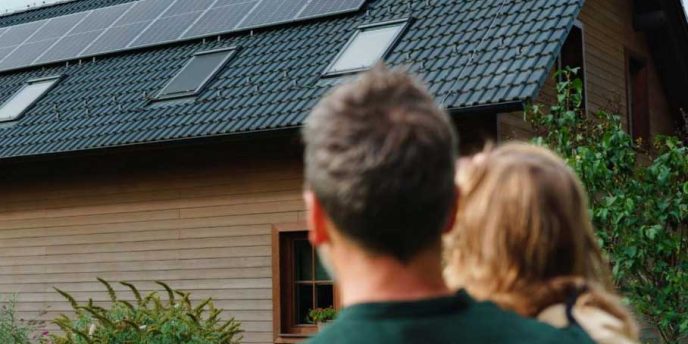
Can improving your EPC rating add value to your home?
A recent report by Rightmove has highlighted the financial benefits of improving Energy Performance Certificate (EPC) ratings.
Read more
Do Solar Panels Work in the Winter?
When we think of solar panels, images of sun-soaked summer days often come to mind. However, the effectiveness…
Read more


