Can improving your EPC rating add value to your home?
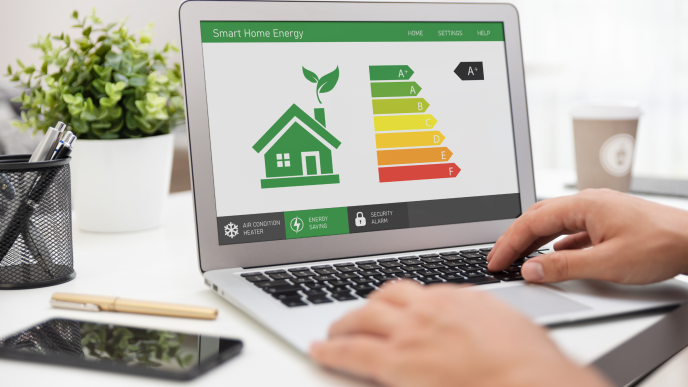
A recent report by Rightmove has highlighted the financial benefits of improving Energy Performance Certificate (EPC) ratings.
Add £55,000 to your house value
A recent report by Rightmove has highlighted the financial benefits of improving Energy Performance Certificate (EPC) ratings for homeowners. The report states that sellers who upgrade their homes from an EPC rating of F to C can command an average price premium of £55,786 in addition to local house price growth.
According to Rightmove’s Greener Homes report, the national average asking price stands at £371,907. If the EPC rating is improved from E to C, a green price premium of £26,603 can be added, and if the rating moves from D to C, £11,157 could be applied.
Energy Efficiency is a major factor for buyers
Notably, the report highlights the increasing importance of EPC ratings, with a nearly 25% increase in listings mentioning EPC ratings compared to last year, and a significant 59% increase compared to 2019 figures. It seems that energy efficiency is becoming a major factor for renters and first-time buyers when choosing a property, largely due to the desire to reduce energy bills.
However, the report also raises concerns about the pace of improvement in EPC ratings across the housing market. While some progress has been made over the past four years, it could still take decades for all homes to reach an EPC rating of C or higher. The situation is slightly better for rental properties, with an estimated timeframe of 31 years for houses and 16 years for flats.
Accelerate the transition to efficient homes
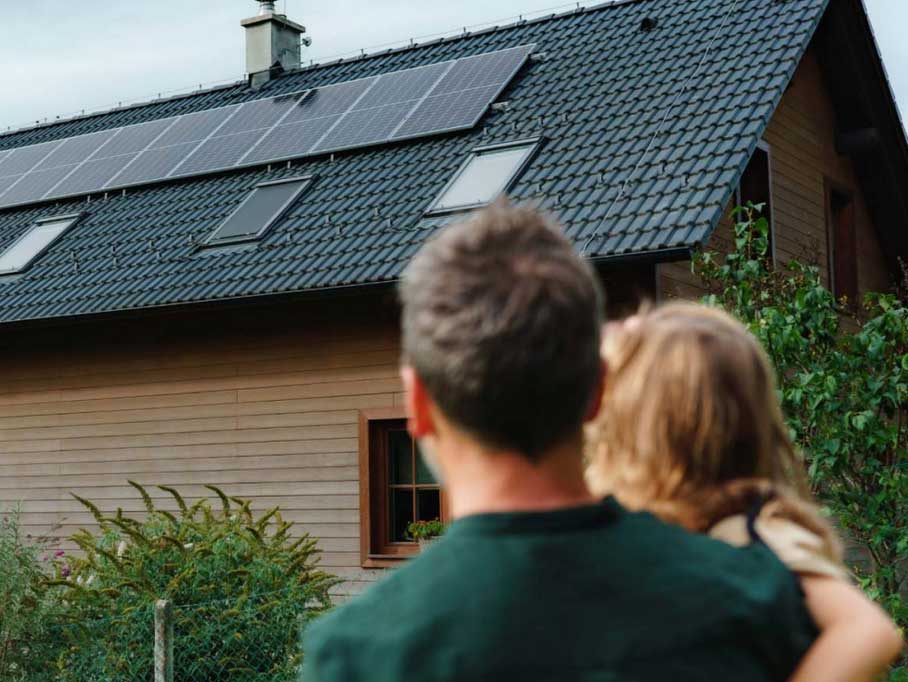
The report advocates for incentivisation and education to accelerate the transition to energy-efficient homes. It suggests stamp duty rebates for buyers who make green improvements shortly after purchase and significant incentives for energy-efficient homes in mortgage and remortgage deals. Furthermore, the report calls for greater grants and tax benefits for green technologies like charging points and solar panels.
Rightmove also urges the government to support new innovations in energy efficiency technology, which could speed up its creation and implementation. Tim Bannister, Rightmove’s director of property science, stresses the need for larger and more easily accessible incentives to entice homeowners and landlords to make green improvements. A third of landlords with lower EPC rated properties planned to sell them rather than make improvements – a 20% increase compared to 2022. He emphasises the financial benefits that come with improving energy efficiency, not only in terms of the increased value of the property but also in creating a greener home.
Bannister acknowledges that a shift in demand will require both incentivisation and education. People need to see the positive impact that energy-efficient improvements can have on their lives and be able to afford them.
“The end result of making improvements is not just a refurbished home worth more money, it’s also a greener home.”
Bannister said that to shift the demand “incentivisation and education is key”.
“The ‘price of cosy’, or a better-insulated home, is hard to quantify until people see how it can change how they live for the better, and they need to be able to afford it,” he noted. However, Bannister warns that affordability will remain a challenge unless the incentives provided are substantial enough.
While progress has been made in improving EPC ratings, there is still a long way to go. The report highlights the potential financial benefits for sellers who invest in energy efficiency improvements and calls for greater incentives, education, and support to accelerate the transition to greener homes.
See how your home can improve
Join the Homeowners Hub – your go-to place for instant recommendations, cost estimates and local trusted professionals.
Join Today


What are the Benefits of Upgrading Your Home to EPC C?
The government has a target to get as many homes up to EPC C by 2035 with up… Read more »
Read more