How Cold and Damp Homes impact Mental Wellbeing?
In a scientific review, researchers delve into the relationship between mental health and the conditions of our homes, particularly focussing on the effects of interventions like heating and insulation improvements.
Living in cold and damp homes can be more than an inconvenience – it can significantly impact our mental well-being. In a scientific review, researchers delve into the relationship between mental health and the conditions of our homes, particularly focussing on the effects of interventions like heating and insulation improvements.
The benefits of energy-efficient housing extend beyond alleviating negative factors
The studies consistently highlight the adverse consequences of residing in cold and damp homes. Residing in cold and damp housing introduces a range of mental health stressors. The stressors include thermal discomfort, persistent worries about financial constraints, and heightened anxiety concerning the potential health repercussions of inadequate living conditions. Notably, improvements in energy efficiency are associated with significant enhancements in positive mental well-being. This indicates a tangible link between living conditions and a person’s overall sense of contentment and happiness.
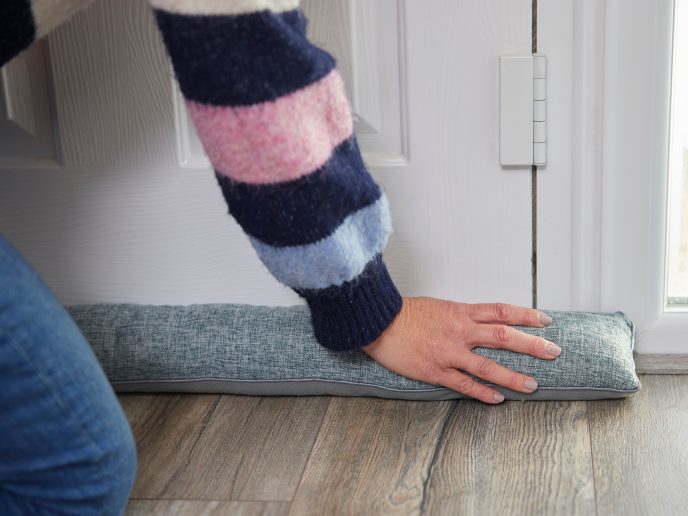
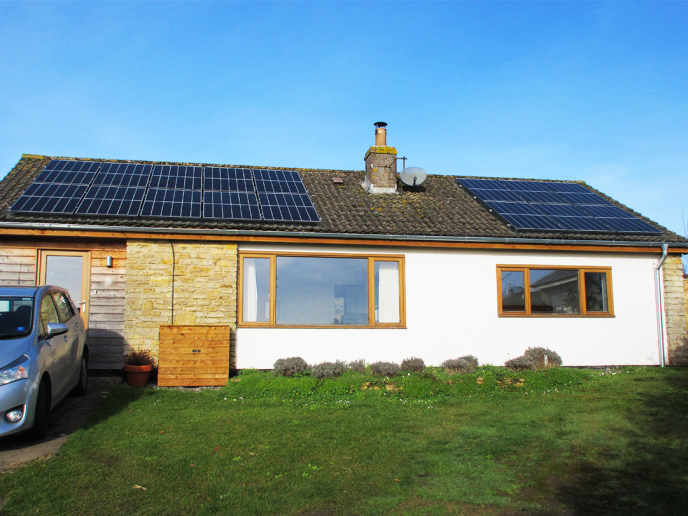
The silver lining in this cold and damp cloud comes in the form of energy efficiency improvements. The studies consistently demonstrate that interventions such as heating and insulation improvements lead to notable enhancements in mental well-being. This not only validates the common-sense notion that a warm and comfortable home fosters happiness but also provides empirical evidence supporting the importance of addressing housing conditions for mental health benefits.
Improvements in energy efficiency can create positive change in cold and damp homes
In conclusion, the connection between the conditions of our homes and our mental well-being is undeniable. The stressors induced by living in cold and damp environments affect both positive and negative aspects of mental health. These studies not only bring attention to the challenges posed by inadequate housing but also highlight the potential solutions. Improvements in energy efficiency can create positive change, creating a warmer and more supportive environment for mental well-being.
As we navigate the complexities of modern living, it’s crucial to recognise the profound impact our living conditions can have on our mental health. By addressing the root causes and implementing interventions such as heating and insulation improvements, we not only create physical comfort but also nurture a healthier state of mind.