The July 2026 energy price cap rise: what it means and what you can do
The energy price cap is rising from July 2026. Here is what it means for your bills and the practical steps that make your home less affected by it.
From 1 July 2026, the energy price cap is going up again. For a typical household that uses both gas and electricity and pays by Direct Debit, the cap is rising by around £221 a year, to roughly £1,862. This increase works our at roughly £18 a month.
If you have been keeping an eye on your bills, this increase is unwelcome news. While the price cap itself is out of your hands, there is quite a lot you can do to make your home less affected by it. This guide explains what the energy price cap is, why it keeps changing, what the latest rise means for your bill, and the practical steps that bring your costs down for the long term.
What is the energy price cap?
The energy price cap is set by Ofgem, the energy regulator, and it limits the maximum amount suppliers can charge you for each unit of gas and electricity you use, along with the daily standing charge. It applies to households on a standard variable (default) tariff, which is most homes.
It is worth clearing up one common misunderstanding. The price cap does not cap your total bill. It caps the rate per unit and the standing charge, so what you actually pay still depends on how much energy you use. A larger household that uses more energy will pay more than the headline figure, and a smaller, more efficient home will pay less.
Ofgem reviews the cap every three months, so it changes four times a year, in January, April, July and October.
Why is the energy price cap going up in July 2026?
The single biggest factor behind the energy price cap is the wholesale price of gas, which is the price energy suppliers pay before they sell it on to you. Gas is traded on global markets, and its price moves with international events that none of us has any control over.
For the July 2026 period, wholesale gas prices have risen on the back of supply concerns abroad, and that increase feeds through into the cap. Because gas also sets the price of much of our electricity (*for now!), a rise in gas prices tends to push up the cost of both fuels.
What the price cap rise means for your bill
For a typical household paying by Direct Debit for gas and electricity, the rise works out at around £221 a year, or roughly £18 a month. That figure is based on Ofgem’s assumption of typical usage, so treat it as a guide rather than a fixed amount.
Your own increase will depend on how much energy you use, how you pay, and how well your home holds onto heat. The less energy your home needs in the first place, the less any future rise in the cap will affect you, which is where it helps to look at the building itself.
How to make your home less affected by the price cap
Following each change in the price cap is tiring, and there is little you can do about the number itself. A more settled approach is to reduce how much energy your home needs and to make more of your own, so that the gas price matters less to you over time.

Use less energy to start with
A well insulated home needs less energy to stay warm, which brings your bills down whatever the cap is doing. Loft and cavity wall insulation, draughtproofing, and better glazing all reduce the amount of heat your home loses, so your heating works less hard.
Make and store your own energy
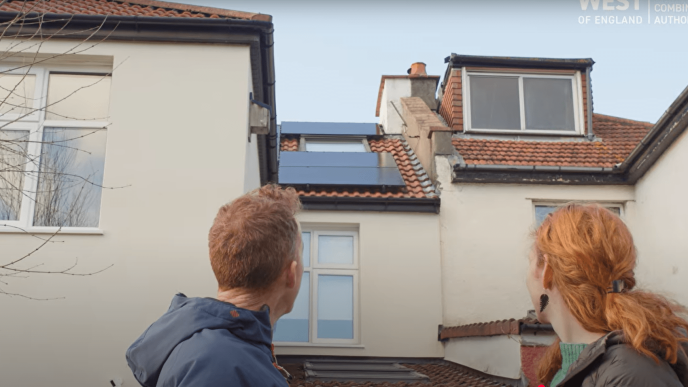
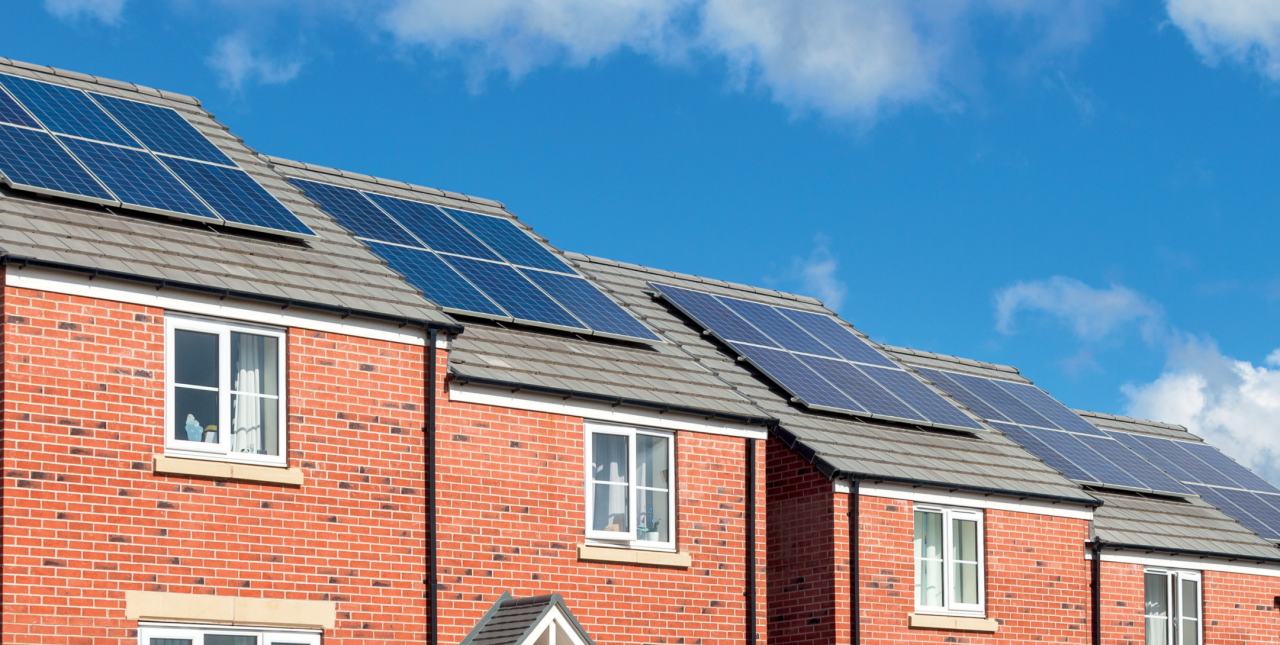
Solar panels let you generate some of your own electricity during daylight hours. Adding a battery lets you store what you generate and use it later, including in the evening, so you buy less from the grid.
Move your heating off gas
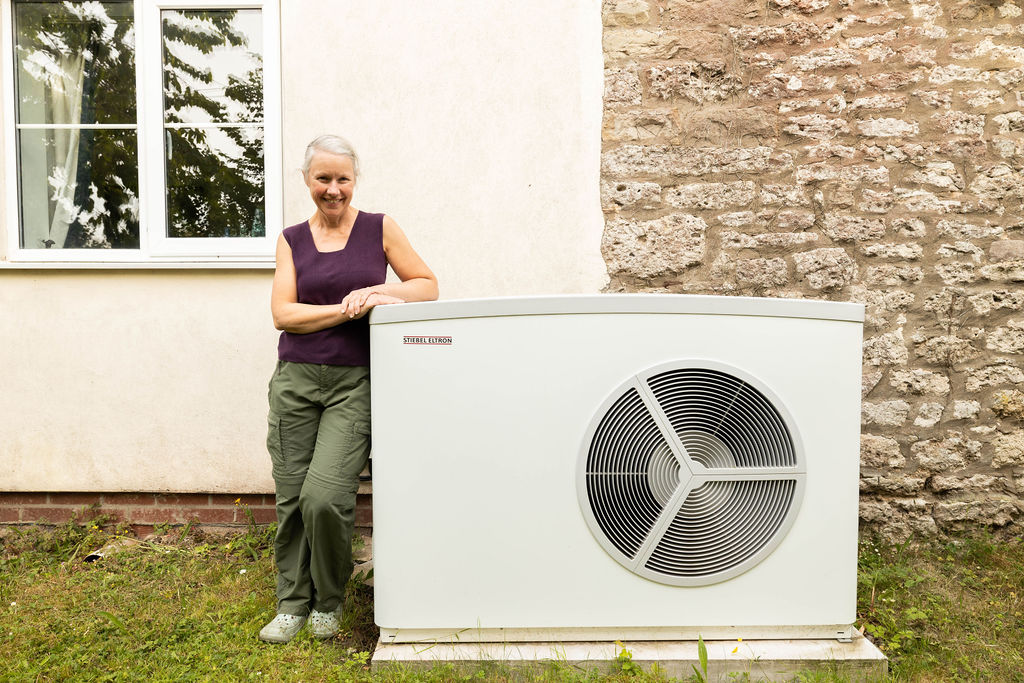
A heat pump runs on electricity and is far more efficient than a gas boiler, which reduces your reliance on gas altogether. Paired with good insulation and solar, it is one of the bigger steps towards a home that is cheaper and steadier to run.
None of this has to happen all at once. Each step puts a bit more of your energy in your own hands.
Funding and support available
There is help available to make these changes more affordable or to help you spread out the cost.
- The Boiler Upgrade Scheme offers £7500 towards the cost of installing a heat pump. If your home is on oil or LPG the grant rises to £9000
- The Warm Homes Grant can help eligible households with insulation and low carbon heating.
- Low interest, council-backed loans from Lendology to help you spread out the cost.
- A Retrofit West home energy efficiency plan is currently available at 80% off the usual cost, giving you a clear picture of what would make the most difference in your home.
Funding eligibility and amounts change over time, so it is worth checking what you qualify for before you start.

FAQ’s
What is the energy price cap?
The energy price cap is the maximum amount suppliers can charge for each unit of gas and electricity, plus the daily standing charge, for households on a standard variable tariff. It is set by Ofgem and applies to most homes across Great Britain.
How often does the energy price cap change?
The energy price cap changes every three months. Ofgem reviews and updates it four times a year, with new levels taking effect in January, April, July and October.
Does the energy price cap mean my bill is capped?
No, the energy price cap does not cap your total bill. It caps the unit rate and the standing charge, so your final bill still depends on how much energy you use. The widely quoted figure is based on a typical household, not a maximum you will be charged.
Why is the energy price cap rising in July 2026?
The energy price cap is rising in July 2026 mainly because of higher wholesale gas prices. Gas is bought on global markets, and recent supply concerns abroad have pushed prices up, which feeds through into both gas and electricity costs.
Will the energy price cap go down again?
The energy price cap may go down again, as it rises and falls with wholesale energy prices every three months. Because those prices are hard to predict, the most reliable way to protect yourself is to reduce how much energy your home needs rather than wait for the cap to fall.
How can I reduce my energy bills despite the price cap?
You can reduce your energy bills by using less energy and making more of your own. Insulation and draughtproofing cut the amount of heat your home loses, solar panels and a battery let you generate and store your own electricity, and a heat pump reduces your reliance on gas.
Is there funding to help make my home more energy efficient?
Yes, there is funding to help make your home more energy efficient. The Boiler Upgrade Scheme offers a grant towards a heat pump, the Warm Homes Grant can support eligible households with insulation and heating, and Retrofit West home energy assessments are heavily discounted.
You can also get low interest council-backed loans through Lendology.
Where can I get free energy advice in the West of England?
You can get free, impartial energy advice from Retrofit West, which supports homeowners across Bristol, Bath and North East Somerset, and South Gloucestershire
Unpredictable Energy Bills
Energy bills are still much higher than they were a few years ago. Find out why, and how… Read more »
Read more