Overview
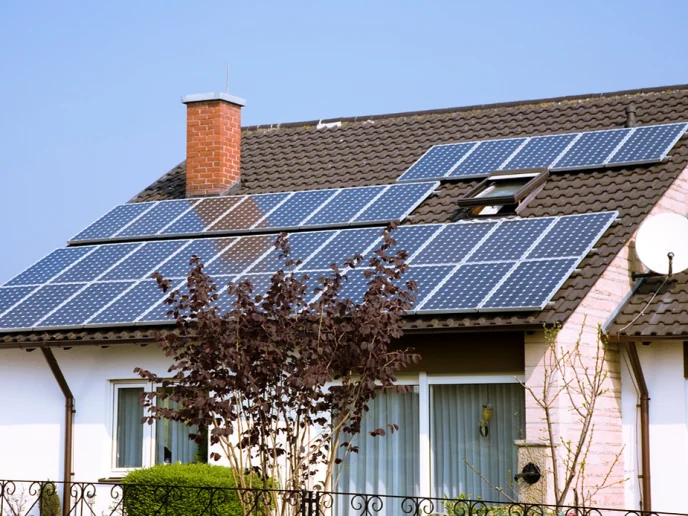
Solar PV systems harness the energy from the sun to generate clean and renewable electricity, offering a sustainable and environmentally friendly alternative. This energy can be converted into electricity using solar photovoltaic panels (Solar PV), which can be installed on the roof of your home. This electricity can then power your home, saving you on bills.
How Do Solar Panels Work?
Solar PV panels are made up of solar cells, typically constructed from layers of silicon semiconductor material sandwiched between glass. When sunlight hits the cells, it causes electrons to move, generating direct current (DC) electricity.
This DC electricity flows through an inverter, which converts it into 240V alternating current (AC) — the type of electricity used by your household appliances. When your panels are generating electricity, it is used first by any appliances running in your home at that moment. Any surplus that is not immediately used can either be exported to the grid, stored in a battery for later use, or diverted to heat water in a hot water cylinder via a solar diverter.
Is solar PV suitable for your home?
Solar panels work best when the following conditions are met:
- Roof orientation: A south-facing roof gives the best output. East or west-facing roofs still work well and can generate around 80% of the output of a south-facing system. North-facing roofs are generally not suitable.
- Shading: Even partial shading from trees, chimneys, or nearby buildings can significantly reduce output. A site survey will assess shading at different times of day and year.
- Roof condition and structure: Your roof needs to be in good condition and structurally capable of supporting the weight of panels and mounting frames. Your installer will assess this during a survey.
- Roof space: A typical 3.5 kWp system requires around 20m2 of usable roof space.
Types of solar panel
Monocrystalline panels are made from high-purity silicon and offer the best efficiency, typically between 17% and 22%. They are the most widely installed type for domestic systems and perform well in lower light conditions. They are the most expensive option but the cost difference has narrowed considerably in recent years.
Polycrystalline panels are made from melted and reformed silicon crystals. They are slightly less efficient than monocrystalline panels, typically around 15 to 17%, but are more cost-effective. They are less commonly installed in new systems as monocrystalline prices have fallen.
Thin-film panels are the most affordable option but have the lowest efficiency, typically 11 to 13%, and degrade more quickly over time. They require more roof space to generate the same output and are less common in domestic installations.
For most homes, monocrystalline panels offer the best balance of performance, longevity, and value.
How much does it cost to install solar panels?
The expense associated with a solar PV system is contingent on factors such as the array size, the type of solar cells employed, and the installation complexity. On average, costs amount to £1,600 per kWp. Therefore, a 3.5kWp array, covering approximately 20m2, is expected to incur a cost of around £5,600.
Costs can vary between installers and products, so it’s recommended that you get quotes from at least three installers.
| Home all day | Home in mornings | Home in afternoons | Out all day until 4pm | Out all day until 6pm | |
|---|---|---|---|---|---|
| Annual Savings (£/year) with SEG | £545 | £475 | £450 | £375 | £345 |
| Annual Savings (£/year) without SEG | £420 | £335 | £305 | £210 | £175 |
What are Solar Batteries?
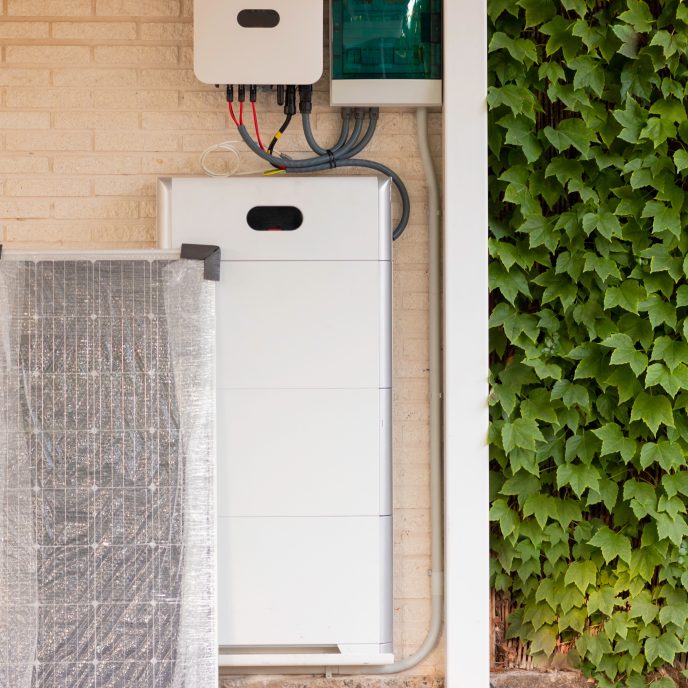
Level-up your energy independence by investing in a solar energy battery. Solar power and the technology surrounding it can be confusing. Not sure if you need a battery for your solar panels? Here’s your go-to guide to battery storage!
Solar Panels Grants & Funding
Solar panels can be funded through the Lendology Renewable Energy Loan, which provides council-backed loans for homeowners in Bristol, Bath and North East Somerset, and South Gloucestershire. Group-buying schemes such as Solar Together can also reduce the upfront cost by pooling demand.
Solar Panels FAQS
How Are Solar Panels Installed?
A typical solar panel installation follows these stages:
- Survey — your installer surveys the roof, assesses shading, structural suitability, and your electricity usage to design the right system for your home.
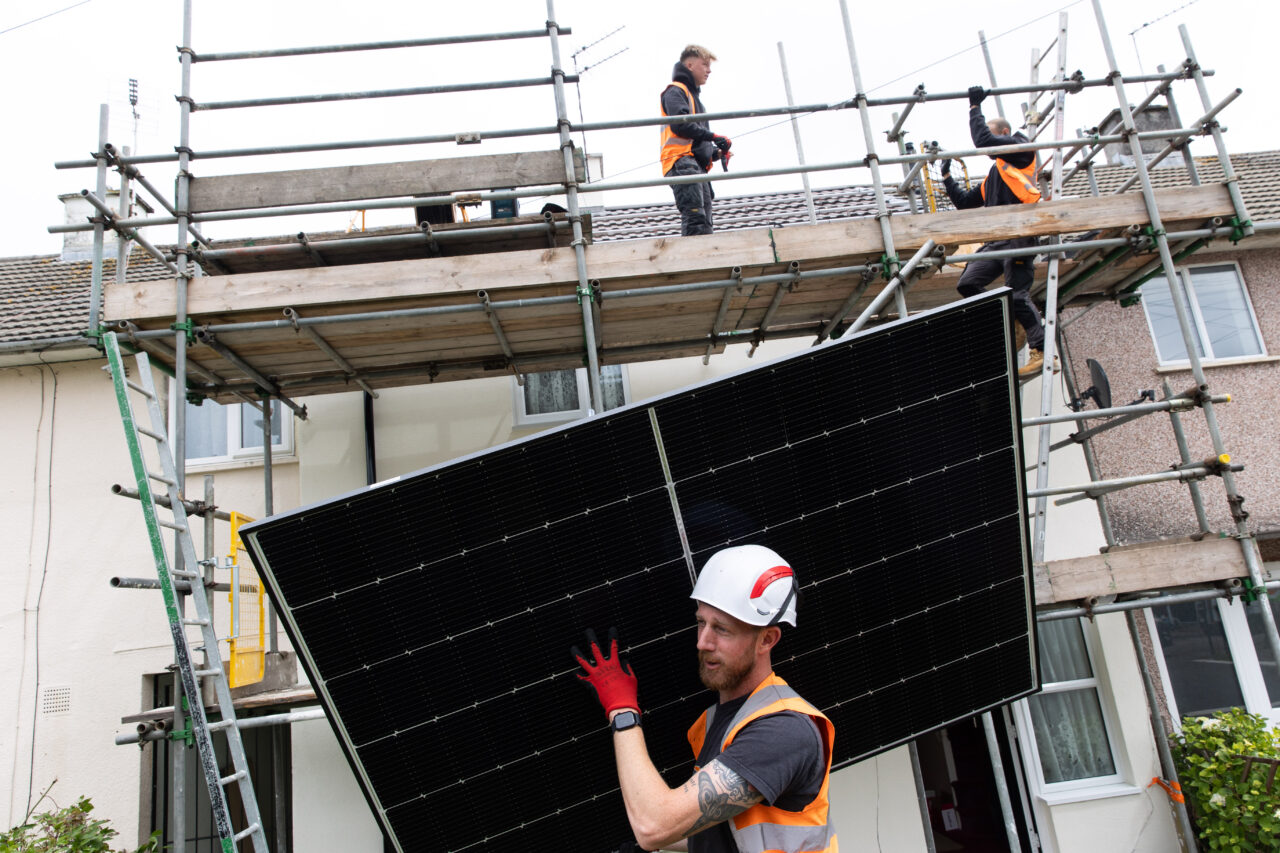
- Scaffolding — scaffolding is erected to provide safe access to the roof.
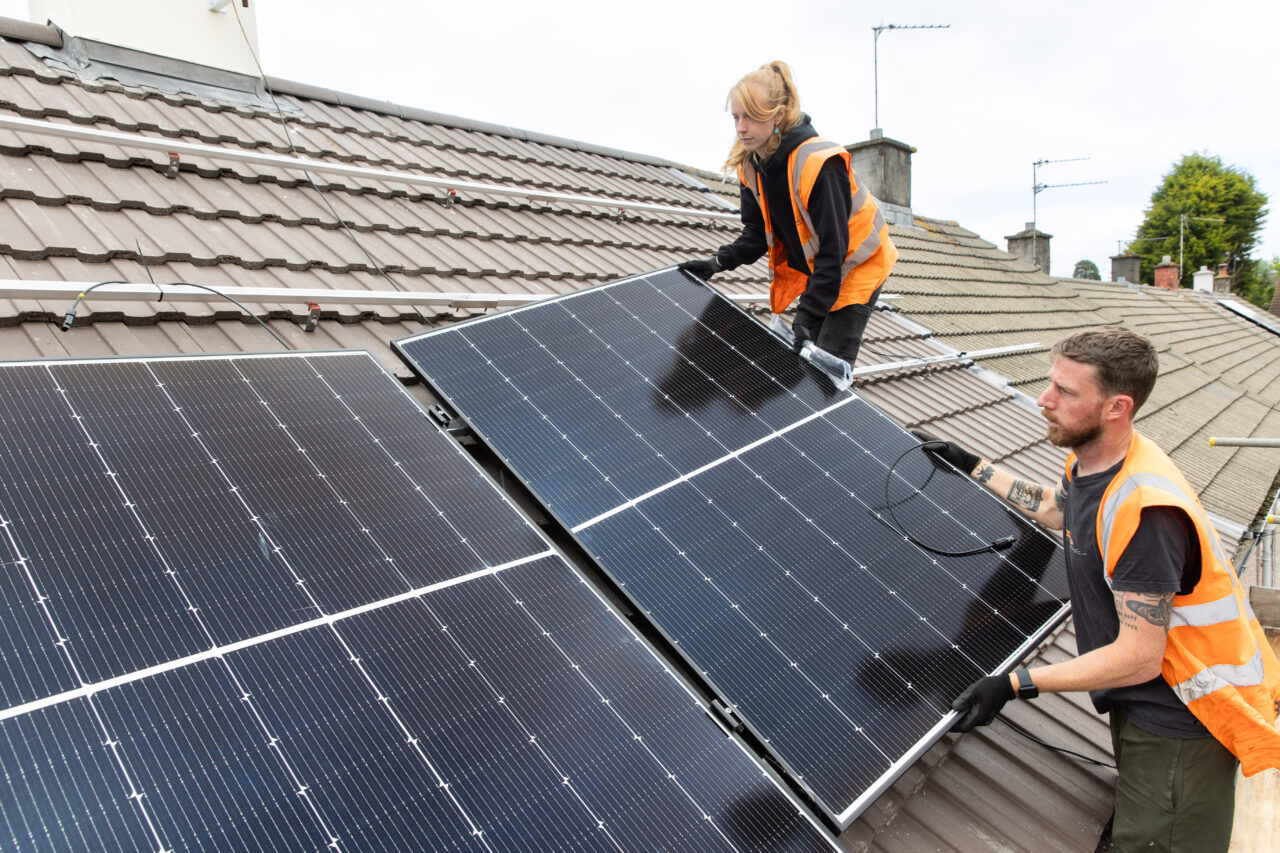
- Mounting frames — brackets and frames are fixed to the roof at the correct angle and orientation to maximise generation.
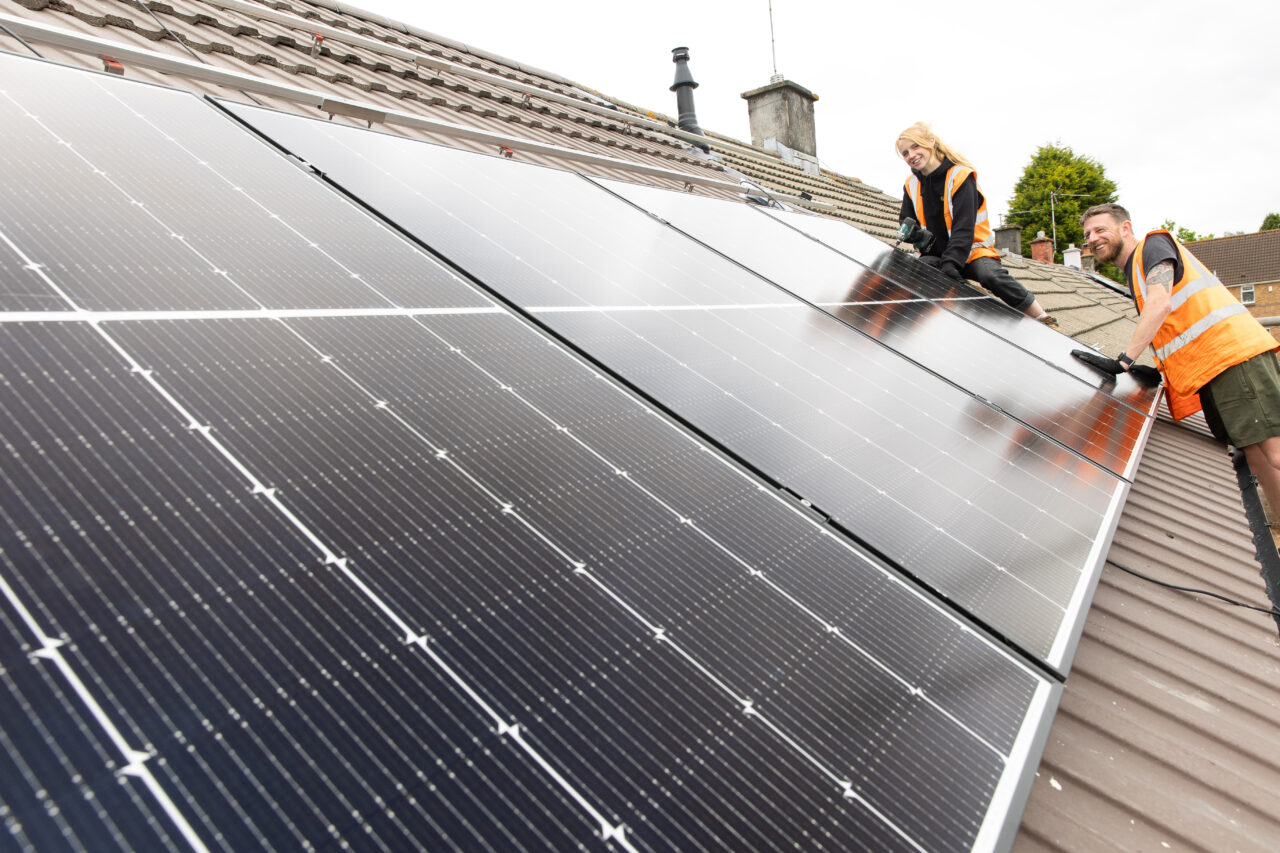
- Panels — solar panels are fixed to the mounting frames and secured.
- Wiring and inverter — the panels are wired together and connected to the inverter. If a battery is being installed, this is connected at the same stage.
- Testing and commissioning — the system is tested and signed off by the installer before going live.
A typical domestic installation takes one to two days.
How many solar panels will I need?
The number of solar panels you need depends on the size of your roof, the amount of usable south-facing space, your household electricity consumption, and the type of panels chosen. A typical three to four bedroom home installs between 8 and 14 panels. Your installer will design a system based on your specific roof and energy needs during the survey. Always get multiple quotes to ensure you are getting a fair estimate.
Ask more questions on our forum!Do solar panels work in winter?
Solar panels do work in winter, though they produce less electricity than in summer due to shorter days and lower sun angles. They generate power from daylight rather than direct sunshine, so they continue to produce electricity on overcast winter days, just at a lower rate. A well-sized system will still provide a meaningful contribution to your electricity use year-round.
Do solar panels work on cloudy days?
Yes, solar panels work on cloudy days. Their output is reduced compared to bright sunshine but they still generate electricity from diffuse daylight. Rain can actually be beneficial as it helps clean the panels and maintain their efficiency.
Can solar panels power a house?
Solar panels can in theory power a whole house, but in practice this depends on a number of factors including the size of the system, roof orientation, shading, the household’s electricity demand, and whether a battery is installed. Most domestic systems cover a significant proportion of a household’s electricity use rather than all of it. Adding battery storage increases self-consumption by storing surplus daytime generation for use in the evenings.
Can solar panels charge an electric car?
Yes, solar panels can charge an electric car. Pairing solar panels with a home EV charger allows you to charge your car using self-generated electricity, which significantly reduces the cost of running an electric vehicle. Adding battery storage gives you more flexibility, allowing you to store solar generation during the day and charge your car in the evening.
Do I need planning permission to install solar panels?
Solar panels do not require planning permission in most cases, as they are considered permitted development. If your home is listed, in a conservation area, or has panels that would be visible from a highway, you may need to seek consent before installing. It is worth checking with your local planning authority if you are unsure.
Can solar panels heat water?
Solar panels can heat water indirectly. A solar diverter can be fitted to redirect surplus electricity from your solar panels to an immersion heater in your hot water cylinder, heating water that would otherwise have been wasted or exported. This is a cost-effective way to make use of surplus generation. Alternatively, dedicated solar water heating panels, also known as solar thermal, are designed specifically to heat water.
Read more about Solar Water HeatingCan solar panels catch fire?
Solar panels can catch fire, just like any other electrical appliance. However, the risk is low and is mitigated on both commercial and domestic properties as the technology and frequency of installs increases. We’d recommend asking your solar installer about fire risk at your survey.
In the UK in April 2022, Bristol’s science centre attraction ‘We the Curious’, was damaged by fire reported to have started with rooftop solar panels. At the city’s largest PV installation, around 60 panels out of 200 were damaged and the attraction closed, not due to reopen until 2024. It is reported that a flock of birds damaged a panel and triggered a fault in the electrical system. There is a 0.01% chance of this happening, according to the Building Research Establishment (BRE) report.
-Source: Modern Building Services
What is the Smart Export Guarantee?
The Smart Export Guarantee (SEG) is a government-backed scheme that requires energy suppliers with over 150,000 customers to offer a tariff for surplus electricity exported to the grid by small-scale renewable generators, including solar PV. The rate paid varies between suppliers and tariffs. To be eligible you need an MCS-certified installation and a smart meter. Signing up to a SEG tariff means you are paid for every unit of electricity your panels generate but you do not use yourself.