Unpredictable Energy Bills
Energy bills are still much higher than they were a few years ago. Find out why, and how solar panels, heat pumps and battery storage are helping homeowners take back control.
Why are energy bills still so high?
Energy bills are still so high mainly because the UK’s energy system is heavily tied to the global gas market, and gas prices have been volatile for several years now.
Typical household bills are currently around 35% higher than they were before the energy crisis hit in 2021. The April cap was set before the latest round of geopolitical instability, and analysts are already predicting it will rise again from July.
Why does it matter where my energy comes from?
Where your energy comes from determines how stable your costs are, and how much control you have over them.
Around 85% of homes in Great Britain use gas for heating, and nearly half the gas we use now comes from abroad, up from just 7% in 2005. When something changes in global energy markets, it shows up in your bill a few months later.
The government has said it clearly in its own Clean Power 2030 Action Plan: the only way to guarantee energy security and protect billpayers permanently is to speed up the transition away from fossil fuels and towards homegrown clean energy. For existing homeowners, that transition is something you can start right now.
What is home energy independence?
Home energy independence is the ability to generate, store and use your own electricity at home, reducing how much you rely on the national grid and the gas network.
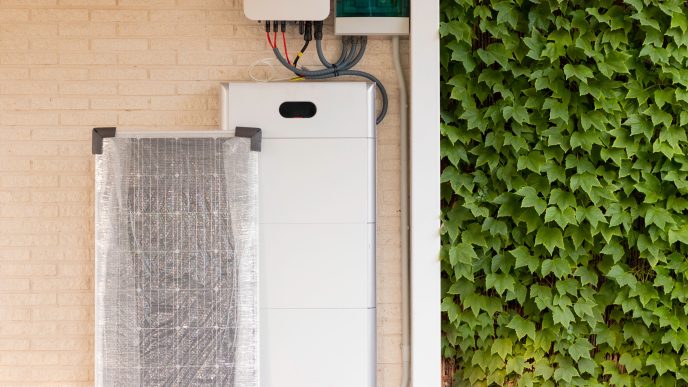
For most households, it means combining three technologies: solar panels, a battery storage system, and a heat pump. Together, they allow you to generate your own electricity from the sun, store it for when you need it, and use it to heat your home and hot water. Your own homegrown energy, generated on your roof and stored in your home.
You do not have to go completely off-grid to benefit. Even a partial reduction in your reliance on grid electricity and gas can make a meaningful difference to your bills.
How do solar panels, a heat pump and battery storage work together?
Solar panels, a heat pump and battery storage work together by creating a cycle of clean energy generation, storage and use that powers your home from your own electricity.
Here is how each part plays its role:
- Solar panels generate electricity from daylight. That electricity powers your home directly during the day, and any surplus gets stored in your battery.
- Battery storage holds onto that surplus electricity for when you need it most, typically in the evenings and overnight when your solar panels are not generating. It means the clean energy you generate during the day does not go to waste.
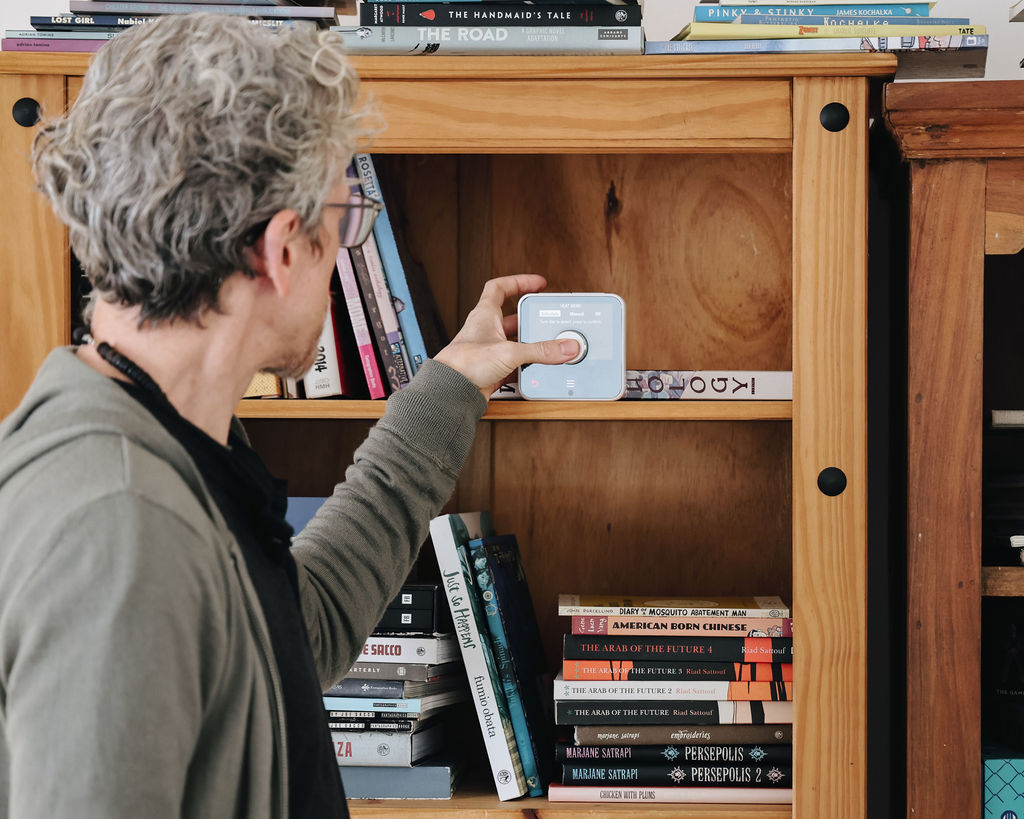
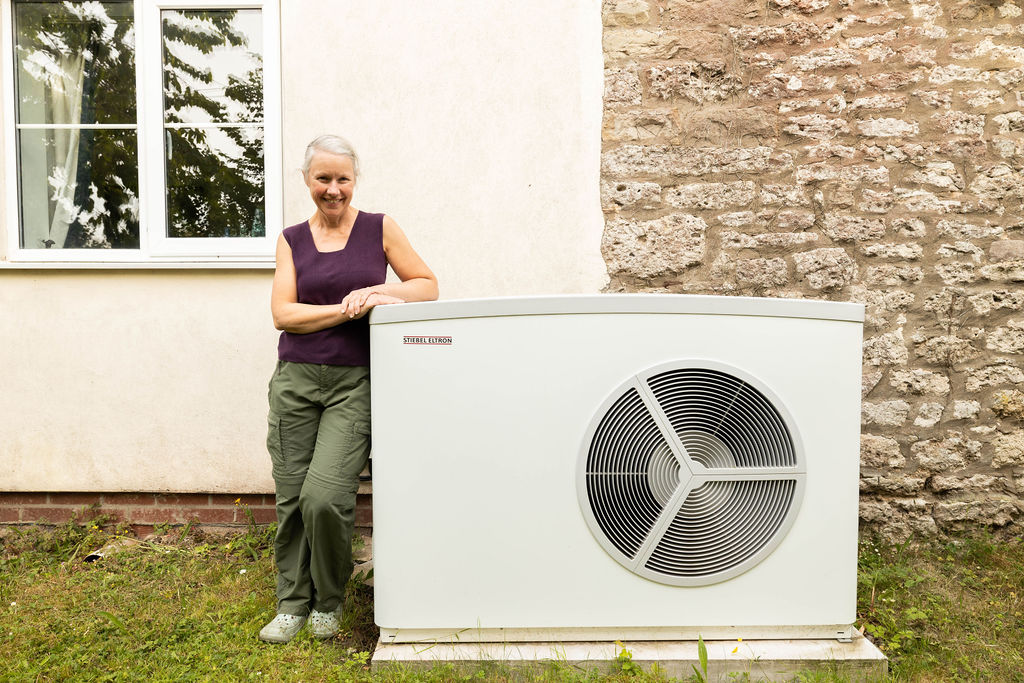
- A heat pump uses electricity to heat your home and hot water. When that electricity is coming from your own solar panels and battery, your heating is running on energy you have generated yourself, completely independent of the gas market.

Can I save even more with a smart energy tariff?
Yes you can sometimes save more with smart tariffs, like Octopus Energy’s Agile tariff. Some tariffs offer cheaper electricity at off-peak times, usually overnight. If your battery has spare capacity after a cloudy day, you can top it up overnight at a lower rate, so you are always using the cheapest electricity available.
Can a normal home really run without gas?
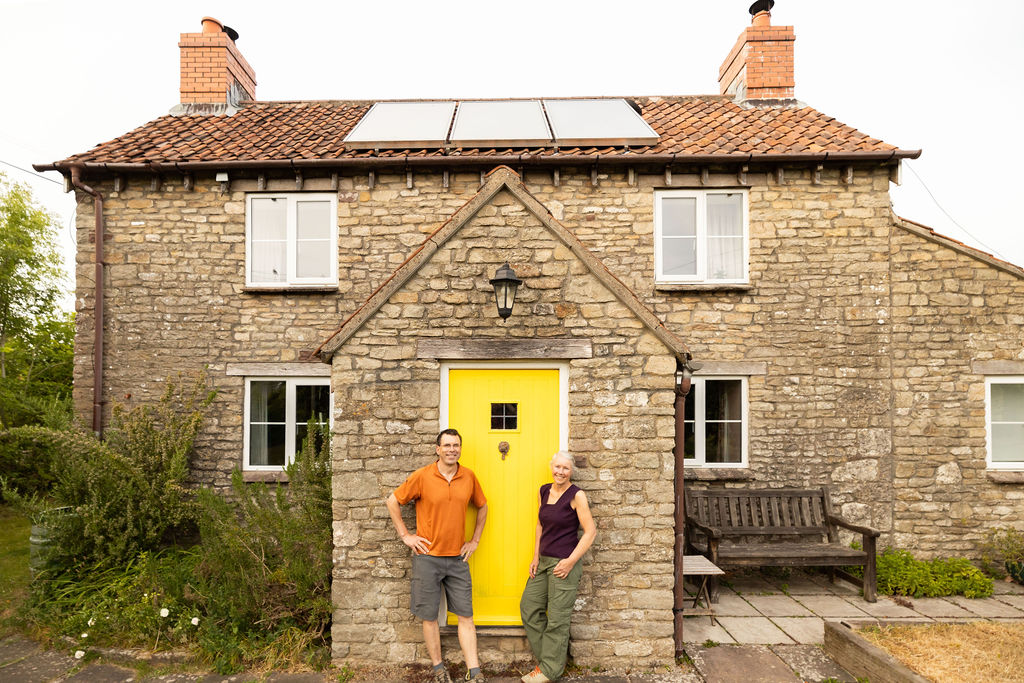
Yes, a normal home can thrive without gas. Matt’s family home in Bristol is a good example of what home energy independence looks like in practice.
Matt’s 1930s semi-detached home has 11 solar panels, a 10kWh battery and an 8kW Vaillant air source heat pump. He also uses a smart tariff to charge his battery overnight at cheaper rates when his solar panels are not generating.
From January to October 2025, Matt spent just £100 on energy in total. He estimates around £250 for the whole year. His heating costs are no longer tied to what happens in global energy markets.
He also uses the Octopus Flux tariff in summer, which lets him sell surplus solar electricity back to the grid. In three months over summer he earned £220 doing exactly that.
Read Matt's full case study
“Our home has consistent heat all the time. When the boiler used to come on in the morning, the pipes clicking would wake me up. But now the radiators are just a nice, even temperature. And the house just feels comfortable all the time.”
– Matt, on living with his air source heat pump
Can older homes achieve home energy independence?
Older homes can absolutely achieve home energy independence. Victorian and Edwardian terraces, Georgian townhouses and inter-war semis are no exception.
Most homes can have a heat pump. To get the most out of it, your home needs to be able to hold on to the heat it produces. A good installer will assess your home and may recommend upgrading your insulation or radiators alongside it, to keep your running costs as low as possible.
Solar panels are suitable for most homes regardless of age, as long as your roof faces south, east or west.
If you are not sure where your home sits, a home energy assessment is a good starting point.
What help is available to switch to renewable energy at home?
Funding and grants can vary depending on where you live and change regularly, so it is always worth checking your local council website for the latest schemes in your area. For examples, local councils have previously run initiatives like Solar Together, which made solar panel installations significantly cheaper for homeowners. Here is what is currently available more widely.
Boiler Upgrade Scheme
The Boiler Upgrade Scheme offers £7,500 towards the cost of an air source heat pump. This is the grant Matt used, bringing his heat pump cost down to £10,000. It is available to homeowners in England and Wales.
Warm Homes Grant
The Warm Homes Grant is the government’s flagship scheme for helping households switch to low carbon heating and improve energy efficiency. Eligibility criteria apply, so it is worth checking whether you qualify.
0% VAT on solar panels and battery storage
Until at least March 2027, solar panels and battery storage installed together benefit from 0% VAT, which makes a meaningful difference to upfront costs.
Low interest loans through Lendology
Lendology offers council-backed low interest loans for home energy improvements, including renewable energy installations. A practical option if you want to spread the cost.
What can I do right now?
Every home that generates its own energy is one less home at the mercy of global gas prices. The government has already recognised that this is the way forward. The good news is that you do not have to wait. You can start with your own home, reduce your bills, and play your part in a more sustainable energy future.


Are Heat Pumps worth it?
Understand which types of homes are best suited to heat pumps versus zero-emission boilers. Get to grips with… Read more »
Read more