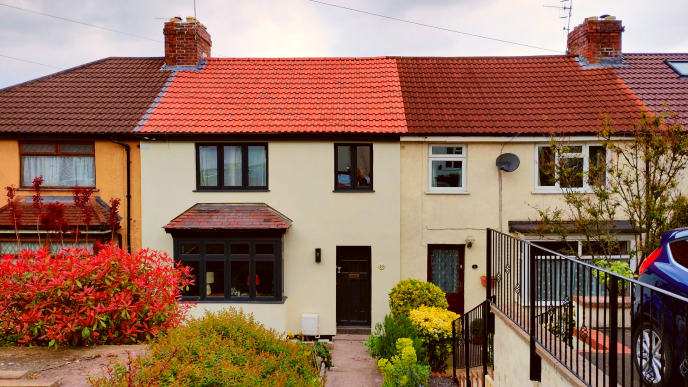
What is Retrofit?
Retrofit refers to any improvement work on an existing home to increase its energy efficiency, and lower carbon emissions.
It minimises heat loss and optimises energy use, while giving the opportunity to transition from fossil fuels to sustainable, renewable energy.
Retrofit means upgrading an existing building to improve its energy efficiency, resulting in homes that are easier to heat and better at retaining warmth. These upgraded homes consume less energy and, with appropriate installations, can even generate their own energy, to help with rising energy costs.
Retrofitting is a crucial tool in the fight against climate change, and it has several benefits for the community, including creating local jobs and improving the health and well-being of residents.
Most of the UK’s homes are quite old, which leads to wasted energy and 40% of our carbon emissions coming from buildings.
What is retrofitting?
Whether done in stages or all at once, we recommend a ‘whole-house approach.’ This involves making changes systematically, considering the interconnectedness of measures, and anticipating the potential impact on the entire home. Adopting this approach helps prevent unintended consequences and the need for rework.
Various options are available and it depends on your needs and budget which would suit your home best.
Enhancements may involve:
- adding solid wall or loft insulation
- installing new windows or doors
- incorporating low carbon heating systems
- draught-proofing
- or integrating new ventilation and solar panels
The 29 million homes in the UK are responsible for around 14% of national greenhouse gas emissions.
Given that nearly one-third of the UK’s total greenhouse gas emissions originate from the domestic sector and considering the widespread inefficiency of existing housing stock, there has never been a more crucial time to consider the sustainability of your home.
Cold homes are also bad for people’s physical and mental health. NICE, which provides evidence-based guidance for NHS and social care professionals, recognises that living in a cold home will make most health conditions worse – from childhood asthma to heart disease.
Energy Use
As energy bills continue to rise, it’s important to how your home drives them and how you can make changes which can save you money.
Every building and its occupants are unique, and energy consumption is influenced by factors such as construction quality, occupancy patterns, climate, and societal behaviours. If you think of your home as a car, these are the factors which essentially drive your home. The energy efficiency of the home itself depends on its construction quality, age, air permeability, thermal bridging, and heating system performance. Lower building performance leads to higher space heating demand and therefore requires more energy to heat and increases costs.
Understanding energy usage is key when making decisions about changes to your home. Energy demand (and prices) tends to peak in winter and during daylight hours when people need it most. Yet, domestic carbon energy usage is also shaped by evolving factors such as societal trends (e.g., ‘working from home’) and external influences like energy costs and changing weather conditions.

Where do I start?
Chat to one of our energy experts for free! We’re here to offer impartial advice to help you get on the easiest path to a healthier, cost-effective home.
Contact Us
Got a question? Our forum is the best place to chat to our trusted professionals for free. Join the discussion today!

Can Retrofitting Homes Sustain Half-a-Million Jobs?
Retrofitting the UK housing stock is an essential project to get to our net-zero goals. Reports say that… Read more »
Read more