
What are the 7 types of Renewable Energy?
Renewable energy comes from our natural resources, such as wind, sunlight water and geothermal heat. Here's more about the 7 types of renewable energy, their benefits and how homeowners can harness them.
What is Renewable Energy?
Renewable- or ‘green’- energy comes from our natural resources, such as wind, sunlight water and geothermal heat. This type of energy can be converted into usable electricity or heat and supplied anywhere, even if mains electricity isn’t connected. As the name suggests, renewable energy doesn’t run out – like oil, coal or gas – and doesn’t pollute the environment or contribute to climate change.
We use the terms green, clean or sustainable to describe renewable energy and there are many different types of energy generation technologies – we’ll list out 7 for you below.
7 Types of Renewable Energy:
Solar Power
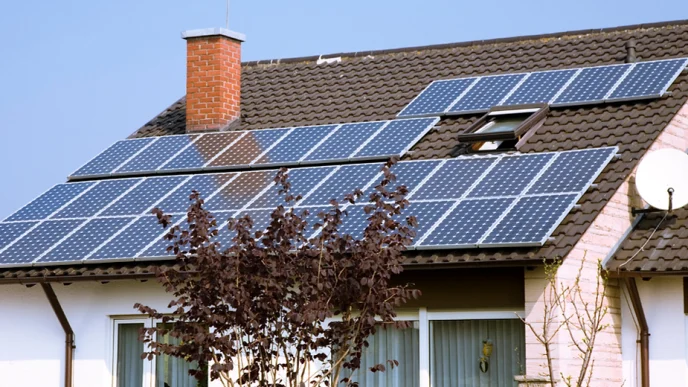
Solar power technology captures the sun’s energy and converts it into electricity. Solar panels and solar water heating panels can be of great benefit to your home – check out everything you need to know about solar.
Wind Power
Wind turbines harness the kinetic power of wind and convert it into electricity. When wind moves the turbines, the gears connected to the generators turn and produce energy. Types of turbines include horizontal, vertical, pole-mounted or building-mounted, domestic or industrial. Investing in wind power can reduce your electricity bills, reduce your carbon footprint and increase your energy independence.
Hydroelectric Power
Hydroelectric, or hydropower systems, can be greatly beneficial if you have a suitable site. Hydropower systems generate electricity by harnessing the movement of flowing water through a narrow tunnel. The rushing water turns turbines within the tunnel which are connected to the generator to produce the electricity. The benefits of hydropower include 24/7 production, reducing electricity bills, reducing your carbon footprint and increased energy independence.
Geothermal Power
Geothermal power generates electricity from the Earth’s heat. By harnessing the thermal energy from underground water reservoirs that are located around tectonic plate fault lines. The power is generated by steam rising from these water reservoirs which turns turbines connected to generators. Geothermal power is only able to be produced in certain geographical locations – due to the specific conditions needed to produce this steam. Countries such as Turkey, Iceland, New Zealand and Indonesia are hot-spots for geothermal energy.
Biomass
Biomass is a renewable energy source, generated from wood, plants and other organic matter (such as manure or household waste). Burning these materials does release some carbon dioxide, but considerably less than fossil fuels. Read more about Biomass and if it’s right for you.
Tidal Power
Tidal movements are a consistent source for energy generation. Where solar and wind can vary in production, tidal power is steady – even if it is relatively low speed. Kinetic energy from the movement of the water (due to gravitational pulls from the moon, sun and Earth’s rotation) can be converted into electricity by moving turbines underwater. Tidal power units have high installation costs but can be greatly beneficial when producing a constant level of power.
Green Hydrogen Power
Hydrogen can be a clean, green fuel when it is the product of electrolysis fuelled by renewable electricity (like those listed above). When hydrogen is separated from water (H20), it presents a ‘clean’ alternative to fossil fuels (such as gas or oil) for powering our transport and appliances.
How can I use renewable energy myself?
Homeowners can employ renewable energy technologies in their domestic settings. By harnessing energy from renewable sources, you increase your energy independence. This means that you can generate electricity yourself and reduce your reliance on the national grid.
Curious about Renewable Energy?
Our Home Energy Efficiency Plan (HEEP) is a comprehensive service tailored to your specific needs and property. It’s not just another energy audit—it looks at your home’s current energy performance and offers actionable insights to make meaningful changes. Plus – get a 70% off voucher if you book with us today!
Check out HEEP today
Benefits of Renewable Energy

Environmentally Friendly

Reliable

Creates Lots of Jobs

Increases Public Health

Less Maintenance

Sources Won't Run Out

Reduces Turmoil in Energy Prices

Increased Energy Independence

‘Leftovers’ of Fossil Fuels can be Used in Renewables
Renewable Energy – FAQs
Which renewable energy source is best for homeowners in the UK?
Homeowners have a handful of options if they want to invest in renewable energy tech for their property; solar and solar thermal are popular as they can be installed on most roofs, generate electricity all year-round and can be financially subsidized by various funding schemes.
Check out our grants and funding page.
The best place to start with your renewable energy journey is to ensure your home is as energy efficient as it can be. We recommend starting with a Home Energy Efficiency Plan to find out the best way forward from the experts.
Check out HEEPHow do I make sure I'm using green energy from my provider?
Many energy providers now offer green tariffs where the energy you pay for comes from renewable sources. Most green tariffs claim that most or all of the energy you use is ‘matched’ by renewable energy the company buys, therefore is greener than other tariff options. As a customer in the energy market, choosing green tariffs is a good way to say that you support greener energy and are willing to support increased renewables in the UK financially.
The green energy comes from sources detailed above in the main article.
Popular providers in the UK sometimes have Renewable Energy Guarantee of Origin certificates which prove that the energy they sell as green is truthfully matched to renewable sources. It is often listed on their website.
Can I make any changes in my energy use to save money?
Yes! With seemingly small changes to your energy use, you can see significant changes in your energy bills. Here’s just a few:
- switch off standby mode on appliances
- draught-proof your windows and doors – Easy Draught-proofing
- turn off your lights, replace lightbulbs with LED bulbs instead
- run your washing machine on a lower temperature
- switch from baths to shorter showers
- insulate your home – Fabric Measures
- take charge of your heating controls
Is there funding available for renewable energy technology for homeowners?
Yes! Check out our Grants and Funding page below.
Grants & FundingAre there any downsides to renewable energy?
For homeowners, installing renewable energy can present a significant financial investment – especially if installed alongside other energy-efficiency measures such as insulation.
Also, renewable energy technology, such as solar, relies heavily on the the weather which can be unpredictable. Installing solar batteries can overcome this by storing an amount of electricity generated to use during the night etc. Read more about installing solar batteries.
Are Solar Panels Worth the Investment?
Curious if solar panels work in winter? Check out our blog for a quick overview. Spoiler: they do!… Read more »
Read more


