
Is Cavity Wall Insulation worth getting?
Many homes in the UK have unfilled cavities and are losing heat unnecessarily. But is cavity wall insulation worth it? Explore how cost-effective cavity wall insulation could be for you.
3 mins read
Difficulty level

What is Cavity Wall Insulation (CWI)?
Filling the cavity, or ‘gap’, between your external walls and internal walls with insulative materials is one of the most effective energy-saving upgrades you can make. For many homes in the UK, cavity wall insulation is worth it.
Materials like Expanded Polystyrene Beads, Injected Polyurethane Foam or Blown Mineral Wool can all be used to great that insulative layer that will save you £££!
Whilst it’s great to keep the warmth in, it’s equally as important to keep the fresh air flowing in your home too. Fresh air supply into your home prevents damp and poor indoor air quality. It’s essential that any insulation you install does not block ventilation systems in your home.
More about CWI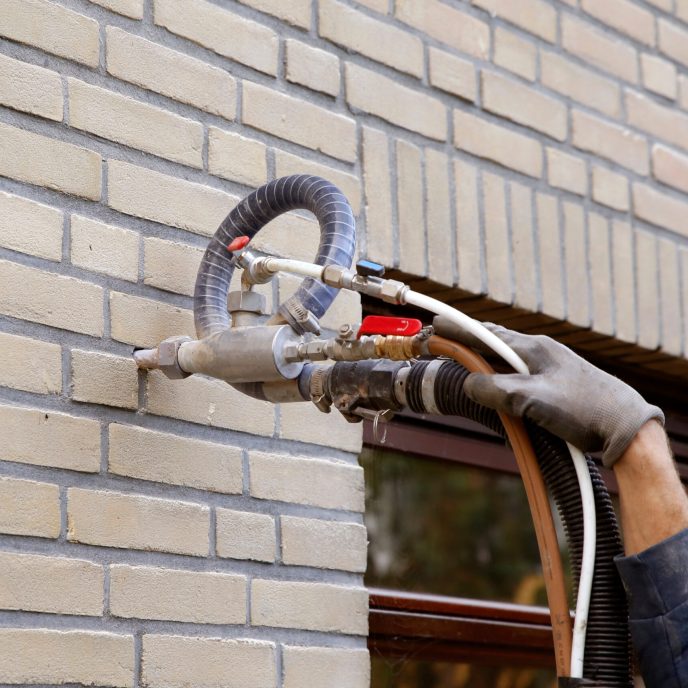
Key Benefits & Considerations

Minimal disruption

Cost effective

Reduced energy bills

Reduced carbon emissions
How much difference does it make to your home?
A home with cavity wall insulation has a steadier room temperature – the warmth is kept inside, rather than leaving through uninsulated cold walls. The reduction of cold spots in your home also helps to prevent condensation, reducing the risk of damp and mould. Research shows the many negative impacts a cold and damp home can have on occupants. So with comfort and health benefits, does it actually save you money too?
Yes! A typical semi-detached home could save £280 per year (source: Energy Savings Trust) on their energy bills after installing CWI. Every home is different, a professional should carry out a detailed survey to evaluate if Cavity Wall Insulation is worth it for you.
Where is CWI most effective?
For CWI to be suitable for you, your home must:
- Have unfilled cavity walls
- The masonry/brickwork should be in good condition
- The cavity is at least 50mm wide
- The walls aren’t exposed to driving rain
- Your home is not at risk of flooding



A Guide to Moisture in Homes
Excess moisture in your home can lead to damp and mould – here's a simple guide to controlling… Read more »
Read more


