How to Prevent Mould in Your Home
To prevent mould from appearing in you home, you need to control the moisture and ventilation. Here's our simple guide to get you started.
What does mould look like?
We’ve outlined how you can keep your home healthy and how to prevent mould in your home. But first, let’s take a look at how damp and mould can appear in you home.

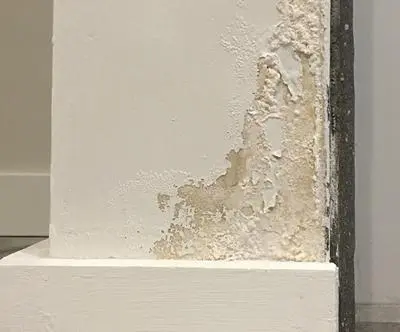

There’s lots of advice out there about how to prevent damp and mould – and lots of solutions on the market. For example, B&Q offer advice on their blog here, including a dehumidifier buying guide.
Prevent Mould by Controlling the Moisture
Insulate your home
If you insulate your walls, this reduces cold spots in your home and helps regulate the temperature indoors. This reduces risk of condensation appearing on cold wall surfaces, reducing the risk of mould.
Use a dehumidifier
Dehumidifiers remove the excess moisture form the air inside your home. Place dehumidifiers in a central location in your home (unless you have a particular problem area), with internal doors open, to get the best results.
Keep your home heated to at least 15°C
Keeping your home from being too cold means that the moisture in the air won’t form too much condensation on the cold surfaces.
The Water Balance
Excess moisture in homes can lead to all sorts of problems. Damp and mould inside homes are not only detrimental to occupants’ health, it can cause timber to rot, plaster to crumble and metal to corrode. Preventing mould by managing your homes’ moisture levels is essential to a healthy home.
A Guide to Moisture in Homes
Prevent Mould by Controlling the Ventilation
Open your windows
Opening your windows for at least 5 seconds will change the air in your home, which is proven to help dry the home, remove dust, bad smells and allergens.
Opening the bedroom windows for 5-10 minutes each morning will also keep the air fresh and prevent moisture build-up.
Keep your window trickle vents open
Not sure what the vents at the top of your window do? These are trickle vents which you should keep open, even on a cold day! If you close them, the change to your home heating cost will be minimal and you increase the risk of damp and mould.
Always use your extractor fans in the kitchen and bathrooms
The moisture produced when you cook and shower can be harmful if it hangs around – don’t forget the extractor fans are there for a reason!
Try to keep internal doors shut when cooking and bathing, so the moisture doesn’t travel to other rooms and condense on the cool surfaces there.
Seal around doors and windows
Reduce the risk of cold draughts by sealing well around windows and external doors. By doing this, you’re controlling where the ventilation happens in the home and reducing the chances of cold spots which are magnets for damp and mould.
Leave gaps between outside walls and furniture
Air circulation behind furniture can be key to drying out cold and damp spots.
Ventilation Matters
Inadequate ventilation can give rise to problems such as condensation and dampness, stemming from insufficient air circulation within the confines of our living spaces.
More about ventilation