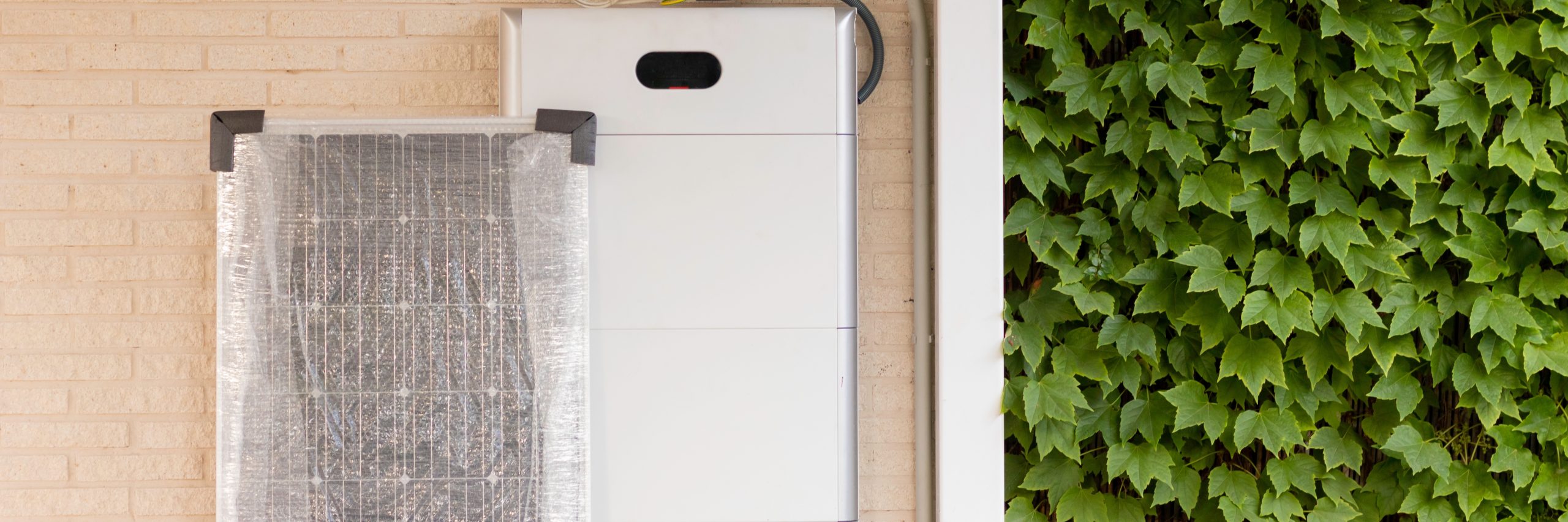
A solar battery stores the electricity your solar panels generate so you can use it later, rather than exporting it to the grid for a small payment. Without a battery, any surplus electricity your panels produce during the day is automatically exported. With a battery, that surplus is stored and available to power your home in the evenings, overnight, or on cloudy days.
Battery storage significantly increases what is called self-consumption – the proportion of your solar generation that you actually use yourself rather than selling back to the grid. This is the main financial case for adding a battery to a solar panel system.
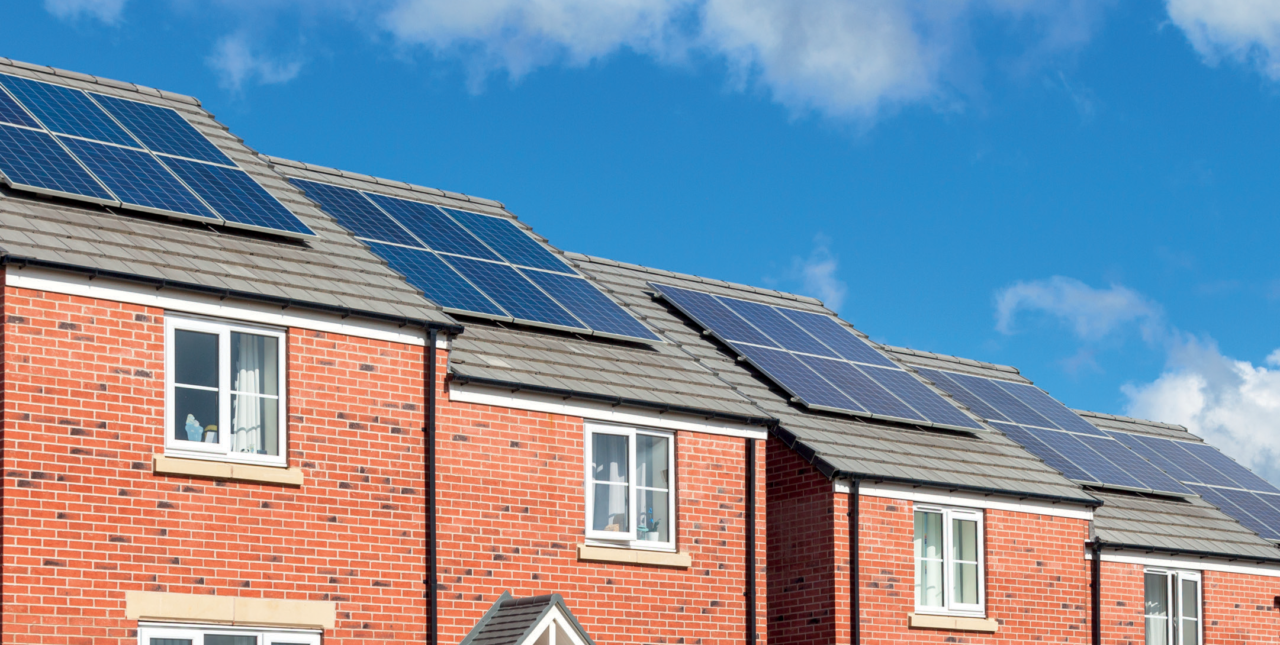
How Does Solar Battery Storage Work?
When your solar panels are generating more electricity than your home is using, the surplus is directed into the battery rather than being exported. The battery management system monitors your generation and consumption in real time and manages the charging and discharging automatically.
When your panels stop generating, or when consumption exceeds what the panels are producing, the battery discharges to supply your home. Most systems have a smartphone app that lets you monitor performance and adjust settings.
AC-coupled batteries connect to the AC side of your electrical system, after the inverter. They can be added to any existing solar panel system regardless of the inverter type, making them the most common choice for retrofitting a battery to an existing installation.
DC-coupled batteries connect directly to the solar panels on the DC side, before the inverter. They are slightly more efficient as the electricity goes through fewer conversion stages, but they require a compatible hybrid inverter and are more commonly installed as part of a new solar system rather than added later.
Key Benefits of Solar Battery Storage

Increased Energy Independence

Reduced Electricity Bills

Backup Power During Outages

Maximises the self-consumption of solar energy
The disadvantages of installing solar battery storage
- Battery storage units require physical space, ranging from the size of a slim suitcase to a tall fridge freezer depending on capacity
- Backup power functionality costs extra and requires a specific type of battery and installation setup
- Going fully off-grid requires a very large and expensive battery system – most homeowners opt for a hybrid approach, staying connected to the grid as a backup
- Some energy suppliers offer to use your battery as part of a virtual power plant, paying you to store and release grid electricity at peak times — worth exploring when choosing a tariff
Got a question about solar power? Chat to our trusted professionals on our free forum here!
Join the debate: Do I need to get a battery with my solar panels?
Types of Battery Storage Systems for Solar Panels
| Lithium-ion Batteries | Lead Acid Batteries – flooded | Lead Acid Batteries – sealed |
| 4kWh battery costs £4,000 | 4kWh battery costs £2,000 | 4kWh battery costs £2,000 |
| Lasts for 10-15 years | Lasts for 5-7 years | Lasts for 3-5 years |
For most homeowners, lithium-ion batteries offer the best combination of performance, lifespan, and low maintenance, despite the higher upfront cost.
Factors to Consider When Choosing Battery Storage
- Property size
- Energy consumption levels in the property
- How powerful your solar panel system is
- How many battery cycles (times is can charge and discharge) before the battery starts to degrade
- Whether you plan to create an off-grid solar system
Solar Battery FAQs
How long do solar batteries last?
Solar battery lifespan depends on the battery type. Lithium-ion batteries typically last between 10 and 15 years. Flooded lead acid batteries last 5 to 7 years, and sealed lead acid batteries 3 to 5 years. Lithium-ion is the most common choice for domestic installations because of its longer lifespan and lower maintenance requirements.
Can I add battery storage to my existing solar panel system?
Yes, you can add battery storage to an existing solar panel system. This is known as retrofitting a battery. Depending on your existing inverter, you will need either an AC-coupled or DC-coupled battery. AC-coupled batteries are compatible with most existing systems and are the most common retrofit option. An installer can assess your current system and advise on the best approach.
What size battery storage do I need?
The size of your battery will depend on the size of your home and energy consumption. You can estimate the correct size based on the number of bedrooms you have.
| Property size | Battery size (kWh) |
|---|---|
| One bedroom | 2 |
| Two bedroom | 4 |
| Three bedroom | 8 |
| Four bedroom | 9.5 |
Read more from the Eco Experts: HERE
Your installer will calculate the right size based on your actual solar system output and your energy consumption pattern.
Can a solar battery be too big?
Yes, a solar battery can be too big. A battery that is larger than your solar system can reliably charge will never reach full capacity and will deliver poor value for money. Getting the sizing right is important, which is why installer advice and multiple quotes are recommended before committing to a specific battery.
Do I need solar panels to have a battery?
No, you do not need solar panels to benefit from a battery. A battery can be charged from the grid during off-peak periods when electricity is cheapest and discharged during peak times when it is more expensive. This is increasingly attractive as time-of-use tariffs become more widely available. However, the financial case is strongest when combined with solar panels, as you are primarily storing your own free electricity rather than buying cheap grid electricity.
Can a solar battery provide backup power during a power cut?
Some solar batteries can provide backup power during a grid outage, but not all. Standard battery systems are designed to shut down during a power cut for safety reasons. Backup functionality is available as an additional feature on certain battery models and requires a specific installation setup. It typically costs extra. If backup power is a priority for you, make sure to specify this when getting quotes.