Chris and Catherine’s Green Cottage Evolution
Over a decade, Chris and Catherine’s heating and solar power upgrades have made their cottage cosy, efficient and increased their energy independence.
Summary

Heat Pump

Insulation

Solar PV

Solar Thermal
The Home:
- House Type: Stone former farm cottage with modern extension
- No. Of bedrooms: 4
- Wall Type: Solid stone walls, cavity walls in extension
- Space: 175 sqm
- Location: Near Thornbury
“There was no master plan. We made changes in manageable steps, learning as we went. We stuck to our environmental principles and now we’ve got a lovely cosy and low carbon home.”
Overview
Making incremental changes allowed Chris and Catherine to transform their home into an energy-efficient cottage. They generate power through solar PV panels, hot water with solar thermal panels and space heating with an air source heat pump. By viewing this as an evolving incremental project, they were able to spread the cost, learn as they go, make the most of technology advances and reduce energy usage.
Background
When they moved into the extended 18th century stone farmer’s cottage, it was poorly insulated and had a Calor Gas heating and hot water system which was expensive and unsightly. Most importantly it didn’t fit with their environmental ideals.
Chris and Catherine approached things with an eco-conscious and long-term mindset. Installing considerably thicker loft insulation and fixing draughts was an essential precursor. Then they replaced the Calor Gas system with a renovated wood-fired Rayburn range and installed solar thermal water heating. Both systems feed a large, very well-insulated thermal store hot water tank. The solar thermal panels provide them with free hot water from April to October. The range cooker’s back boiler provides lots of hot water and some space heating when it is running during the winter.
In the second phase a few years later they installed a 4KW solar PV system using local firm Ecocetera. This changed how they use domestic appliances as they can now take advantage of the free electricity generated during the day. Any excess generated by the panels is fed into an immersion heater in the hot water tank using a Solar iBoost unit.
Assessment
Sourcing, preparing, storing and loading the Rayburn range with firewood was hard work, and Catherine and Chris had toyed with the idea of an environmentally friendly, lower hassle alternative for some time. Happily, heat pump technology matured quickly at the same time as their enthusiasm waned for the hard work involved in firewood! It was time to take the plunge.
In 2024, following a recommendation from a neighbour, Chris and Catherine chose local company Green Flare for an air source heat pump assessment and installation. They needed expert advice from a company who was willing to take time to understand the system already in place and how a heat pump could be integrated with it. Because the original (Calor Gas) heating system had smaller bore pipes they would need to re-plumb the whole lower floor of their property and invest in larger radiators throughout. The work was disruptive but was completed during the summer months to get them winter-ready.
Solutions
The air source heat pump heats the water in the thermal store tank. This is then used for space heating with large radiators and also provides domestic hot water. Like any conversion to a heat pump they manage the system differently to traditional gas heating, using it to keep their home at a near constant temperature of 18-19 degrees. They top this up when needed, either by running the heat pump for longer or enjoying a cosy evening with the range or one of their wood-burning stoves – now a treat rather than a necessity!
By using a thermal imaging camera (borrowed from their local South Gloucestershire library as part of their Warm and Well scheme) they saw unknown spots of heat loss through their loft so fixed their loft insulation to maximise energy efficiency.
The Challenge
As with most people, cost was a barrier to upgrading their home all at once. However, by doing their own research and completing their project in stages Chris and Catherine avoided large upfront costs and costly mistakes. The payback in energy cost savings from their solar and heat pump investments has been very worthwhile so far. They get more savings by taking advantage of timed electricity tariffs and flexible rates for the energy they draw off the grid. All the electricity they buy is 100% renewable.
Their air source heat pump and plumbing installation (in 2024) cost about £11,000 after the Boiler Upgrade Scheme subsidy had been deducted. Their 4KW solar PV panel system cost around £5,000 in 2015. This has now been recovered through feed in tariffs and savings in electricity usage.
Finding and choosing the right heat pump and solar installers was essential. Chris and Catherine were diligent with choosing the right installer, having come across a few companies which were not aligned with their eco-conscious, open and enquiring mindset. Always get multiple quotes from local companies, ask for recommendations from other homeowners and make sure you trust them to work on your home. It’s key to retrofit projects that the installers are open-minded and discuss the options and their pros/cons with you. It also helps to be put in contact with their previous clients, asking to visit the heat pumps to really get a feel for how they’re used day-to-day.
As they started their home energy journey over a decade ago, Chris and Catherine have seen the growth of the domestic energy market and the development of solar and heat pump technology. One of the challenges throughout this period has been the lack of knowledge or expert help available to talk homeowners through their options. They used information published by the Centre for Alternative Technology (CAT) and relied on their own convictions to lead the way with new renewable technology.
Results
Chris and Catherine don’t rely on fossil fuels to heat their home at all; their increased energy independence being one of the great perks of upgrading their home. Their average cost for electricity is now about £80 per month.
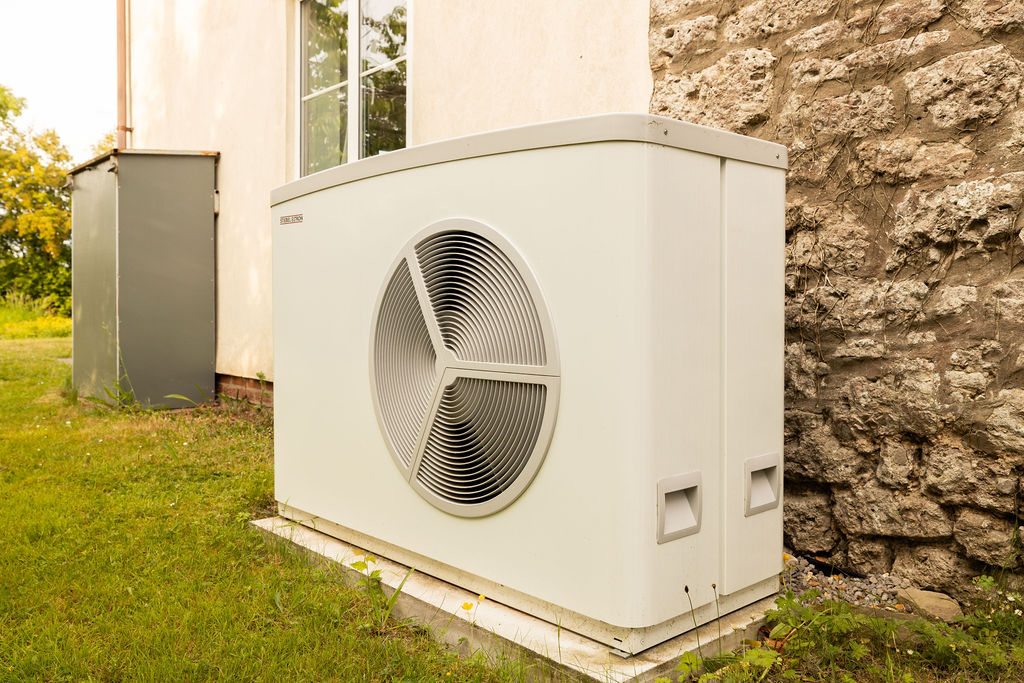
Life with their heat pump has been quieter than expected – the unit is not noisy and fits in with their home and surroundings.
Following the installation of their air source heat pump, Chris and Catherine have learnt to get the most out of the heat pump. The unit should ideally be constantly running during cheaper electricity periods to reduce the inefficiency that comes from the switching on and off that is typical of traditional boilers. This requires a pivot of how to think about energy consumption and the timing and planning necessary for convenient hot water.
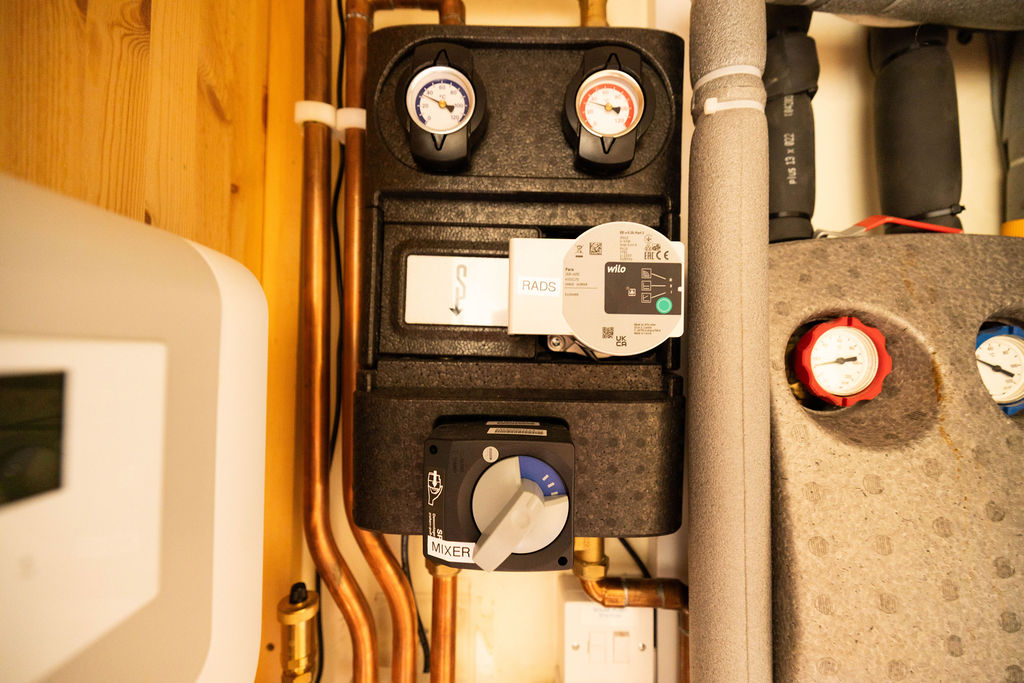
The handover process from the installer is crucial for success. Chris and Catherine like to understand how the system works and can be optimised. Understanding the controls and the interface has been a bit of a challenge.



What’s next?
Their home is always evolving. Having completed these larger installations, they’re looking to affirm their work by borrowing a thermal imaging camera again to detect further gaps in their insulation and draught proofing. They’re also exploring the possibility of electric battery storage to take advantage of any excess energy they produce.

Katherine’s Smart Switch to a Greener Home
In 2022, Katherine transformed her flat using a handful of retrofit measures. Her sustainable journey resulted in a… Read more »
Read more