
Myth-busting Energy Performance Certificates
We've examined common misconceptions about EPCs to clarify exactly what they are and how they work.
What are Energy Performance Certificates?
Energy Performance Certificates (aka EPCs) are a nationally recognised way of rating the energy efficiency of homes. They are useful to quickly establish the energy status of a property, and their options for energy saving measures that homeowners can take to be comfier, save money on their bills and save carbon.
Being a relatively quick assessment it does result in a compromise on the results. With some inputs having to be defaulted to age range and property type and typical energy tariffs. It means the running costs and potential savings are intended to be for the average household use.
Whilst they are nationally recognised and used a lot, the assessment methodology that the homes are measured against needs reform. For example, updating the calculations to include heat pumps as a more viable recommendation to homeowners will empower more people to reduce their carbon (in the collective effort to get to Net Zero by 2050).
However, there are some common misconceptions and myths about EPCs which prevent people from understanding and using them. We’ve outlined a few common misconceptions and FAQs below – let’s demystify them!
Energy Performance Certificates (EPC) Ratings: How are they scored?
Energy Performance Certificates are scored from A (most efficient) to G (least efficient). Your Domestic Energy or EPC assessor will complete a brief survey of your property and input the findings into their software and reach a score for your individual property. This is a rating based on your home’s age, build type, insulation levels, heating systems and controls and if there are any renewables onsite. It then assumes standard usage patterns for an average household. It does not consider your actual energy bills or how you use the heating system (because we are all different) and the aim of the EPC is to be a tool to compare different properties.

Who needs an Energy Performance Certificate and why?
An EPC is required for most privately rented residential properties. A valid EPC is also a legal requirement when you’re selling or letting a property. You can be fined for not having a valid EPC available to prospective buyers or tenants.
EPC Cost, Validity & Renewal
| Cost | Validity | Renewal |
| Up to £100. | How long does an EPC last? 10 years from the date of issue. | It’s good practice to renew your EPC when you are selling or renting the property or have made significant energy efficiency improvements. |
How can I get an EPC?
You can get an EPC assessment added on to a Home Energy Efficiency Plan survey for minimal extra cost.
Our experts will be able to do the EPC assessment at the same time as gathering information for their home report. Get expert advice on how to make your home more energy efficient as well as finding out your current EPC score!
Find out more
EPC Myth-busting
“EPCs don’t matter”
EPCs do matter in a number of ways. The EPC score of a property can determine energy costs, how desirable it is as a rental property and show compliance with minimum energy efficiency standards.
“EPCs can’t change”
Yes they can. Your score can change with property improvements (additions to your home such as insulation, double glazing and solar power). Also, you should renew your EPC 10 years after the date of issue.
“Changing your EPC score is expensive”
Not always. Low-cost changes exist such as draught-proofing and installing LED lights to save energy. Further, there are an abundance of grants and funding available to help you make upgrades to your home.
“EPC reports are too technical to understand”
They’re actually pretty user-friendly! The report includes recommendations in non-technical language for improving energy efficiency. However, if you already have an EPC score and want more expert guidance on home upgrades, check out our Home Energy Efficiency Plan service for more advice!
“Only old properties have bad EPC scores”
Actually, newer properties can also have suboptimal ratings due to poor design choices or poor materials. Don’t assume old properties haven’t had good quality upgrades and suitable improvements to raise their EPC score too! Check out the updated guidance from Historic England about energy upgrades in historic buildings.
“EPCs are only required for selling a house”
You’re required to have a valid EPC when letting out your property to prospective tenants, and new builds need to have them too.
“Everyone has to have an EPC”
Not always. You’d be exempt from getting an EPC if the building is temporary (used for less than 2 years), planned to be demolished, is an industrial building or has special architectural or historical merit.
“Privately-rented properties don’t have to have an EPC”
Not true! In 2025, the MEES standards will require all privately rented properties have an an EPC C by 2028.
Do I already have an EPC? What is my EPC rating?
If you’re not sure if you have an EPC, or what your score is, you can do a postcode search and find an existing certificate.
EPC Certificate Check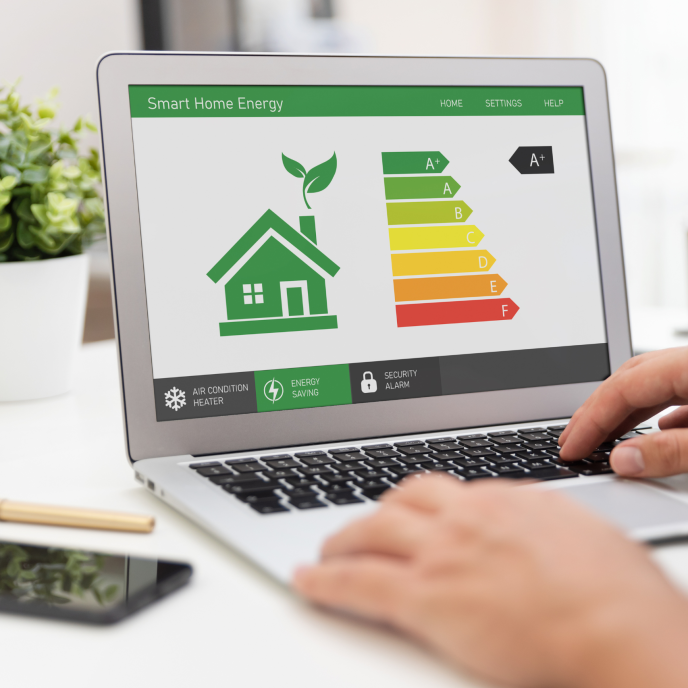
Does a retrofit assessment include an EPC?
Yes, sometimes! You can bolt-on an EPC assessment to a HEEP survey. It’s worthwhile adding an EPC assessment to your survey if the EPC is out-of-date or you’ve made significant changes to your property since the last evaluation.
How to improve your EPC score
| Quick Wins | Long-term Strategies |
| – Installing LED bulbs. – Insulating your home (loft, EWI, cavity wall etc). – Have an exploratory survey on your property from a retrofit assessor to lay out a first plan. | – Installing renewable energy sources like solar panels or a heat pump. – Installing new insulation measures such as EWI, cavity wall or loft. – Look at grants and funding available for homeowners to make significant energy upgrades. |
Curious about what’s next for EPCs? Take a look at this newly-published collective vision for the future of EPCs and the roadmap to energy efficient housing stock in the UK.
The benefits of having an EPC C rating
Improving your home’s EPC rating of F to a C can improve the price by £56,000 on top of local house price growth. This is considering the average asking price of a home to be in the region of £371,907.


What are the Benefits of Upgrading Your Home to EPC C?
The government has a target to get as many homes up to EPC C by 2035 with up… Read more »
Read more