
Damp and Mould in Rental Properties
Damp and mould remain the biggest challenge in rental homes. Drawing on our work with landlords, we explore how low-level retrofit can reduce risk and support progress towards EPC C.
At the recent South West conference hosted by Propertymark, we spent time talking with local estate agents about what they are dealing with most often across the rental homes they manage. We also spoke about their thoughts on tackling necessary upgrades in the home, especially with tenants in situ.
The same issues came up again and again. Damp and mould.
Estate agents spoke about damp and mould as something they expect to encounter when managing older rental properties. This is particularly the case in places like Bristol, where much of the housing stock is older.
While Awaab’s Law currently only applies to social housing landlords, it is expected to extend to the private rented sector through the Renters’ Rights Act later this year. The law has already begun to shift expectations around how efficiently damp and mould are addressed in rentals.
Damp and mould don’t happen in isolation
In the rental homes we see, damp and mould are rarely caused by a single fault. They tend to build up over time, linked to how homes are heated, ventilated and used.

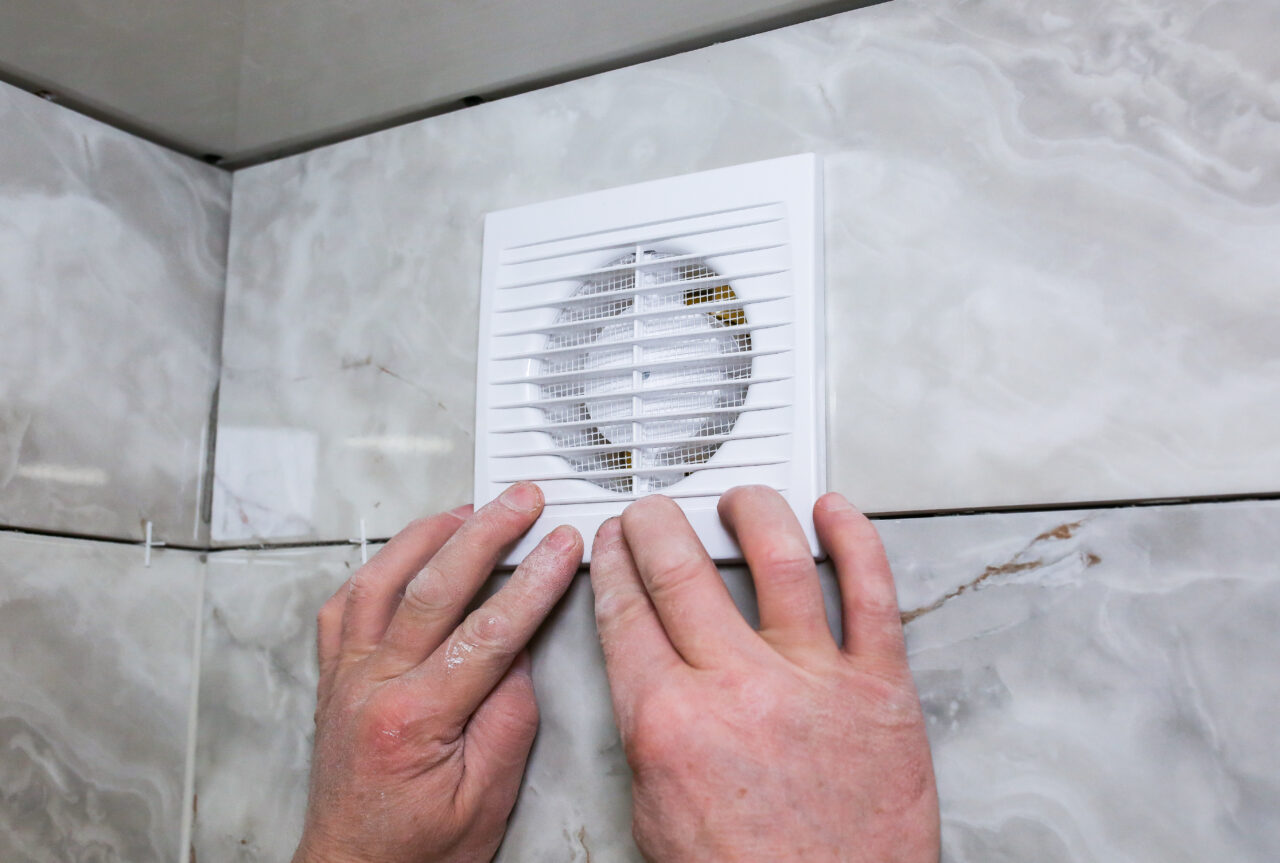
When problems are dealt with in isolation, they often return. Surface-level fixes to mould and damp may improve appearances, but they do little to change how a home performs day to day.
For landlords, that can mean repeat complaints and ongoing maintenance. For agents, it creates uncertainty about what will actually resolve the issue. Looking at the home as a whole usually leads to more lasting outcomes.
Where low-level retrofit fits
Low-level retrofit helps shift the conversation from fixing visible problems to understanding why they keep happening in the first place.
A Landlord Energy Efficiency Plan (LEEP) looks at how a property is performing as a whole. It brings together information about heat, moisture and how the home is used, helping landlords see where issues are starting and which changes are most likely to make a difference.
That clarity helps landlords avoid spending money on repeated short-term fixes and instead focus on a small number of improvements that address the underlying causes. Over time, this can reduce damp and mould complaints, improve comfort for tenants and support steady progress on energy performance.
Landlord Energy Efficiency Plan (LEEP)
Our advice service can offer landlords tailored guidance on energy performance options, improvements to rented properties, and compliance with energy efficiency standards. Our expert advisors can offer you impartial advice on making energy efficiency improvements to your properties.
Read more here
Upgrades with tenants in place
At the conference, agents voiced a worry about carrying out upgrades while tenants are living in the property. Measures such as insulation are assumed to mean disruption or resistance from tenants.
When tenants understand why improvements are being made, and how they will benefit from them, they are often more willing to engage. Framing upgrades around improved comfort, fewer damp issues and lower bills can make a real difference.
Many low-level measures can also be planned around existing tenancies or phased over time. Knowing which upgrades require vacant possession, and which do not, helps reduce disruption for both landlords and tenants.
What this means in practice
Many landlords own flats or homes within shared buildings. That limits what they can do. Roofs, external walls and communal areas are often outside their control.
Because of that, progress usually comes from changes within the individual home. This is where low-level retrofit tends to be most useful. It supports progress within those constraints, rather than planning upgrades that are difficult or unrealistic to deliver.


