How to Improve Energy Efficiency in Historic Buildings
Historic England lights the way with new advice on solar power and other measures for listed buildings. Here’s all you need to know...
Historic England recently released an advice note about how we can adapt our historic and listed buildings for energy and carbon efficiency. With many buildings of special architectural and historic interest in the West of England, it is essential they are repaired and maintained in ways that align with our greener future as well as presenting conservation-friendly energy solutions for occupants. Heritage property energy efficiency is key in our collective journey towards net zero.
Challenges of Retrofitting Historic Buildings
Previous advice from Historic England has been restrictive about what energy-saving measures could be taken on historic buildings. The new guidance changes your options for traditional building retrofit. Here’s what you need to know about your historic building renovation…
Key Retrofit Measures for Historic Buildings
Windows
Windows that are in a good state of repair can be adapted for better energy efficiency. Draught-proofing, adding secondary glazing or adding slim-profile and vacuum double-glazing to your buildings’ original window-frames can keep the heat in better and reduce the risk of mould by decreasing the amount of condensation build-up on cold surfaces.
Any consent required? Historic England has stated consent is likely not required for these measures.
Any exceptions to that? Cases where the windows are extremely delicate or cannot be draught-proofed without interference to other parts of the building may require listed building consent.
Doors
Historic England have issued the same guidance for draught-proofing windows as for doors.
Any consent required? Listed building consent is likely not required for these measures.
Any exceptions to that? Extreme delicacy of the door/door frame or restricted access to the door will affect if consent is required or not.
Insulation
Installing loft, roof, under-floor and internal wall insulation are effective ways to reduce energy usage and increase a building’s comfort. Historic England have included these measures in their report and have advised that it is generally acceptable, if there is no compromise to the external envelope (ie. roof) of the building and preserves any historically significant internal features (ie. cornices, joinery, decorative plaster).
Reinstating original renders or finishes that may have been previously stripped away will also improve a historic building’s thermal performance. This will require a case-by-case evaluation. Got a question?
Any consent required? Listed building consent is generally not required for light works, if in doubt, a Certificate of Lawfulness of Proposed Works should be sought.
Any exceptions to that? External wall insulation is not encouraged by Historic England, as in most cases this would compromise the building’s external envelope look. That’s not to say permission cannot be granted in certain circumstances.
Ventilation/Heat Recovery
Mechanical ventilation can sometimes be useful for reducing humidity, even when measures have been taken to improve passive ventilation! The use of mechanical ventilation and heat recovery mechanisms should be reviewed on a case-by-case basis. Got a question?
Any consent required? Yes, listed building consent is required.
Heating Systems & Heat Pumps
Historic England has advised that you can now switch out your boiler, heating systems and hot water systems for low-carbon alternatives such as heat pumps or zero emissions boilers. By switching over, you can reduce your carbon usage significantly. Got a question?
Any consent required? Consent is usually not required for boiler replacements but do seek consent if you wish to install a heat pump.
Any exceptions to that? Not generally. The units must be installed somewhere prudent and not interfere with any historic features of note.
Electric Vehicle Charging Points
Largely, EV charging points can be installed without interference with listed properties. Historic England also advises you to consider any archaeological remains when installing EV charging points due to the groundworks required.
Any consent required? Yes, consent required for installing fixings to listed buildings, and planning permission.
Solar Power
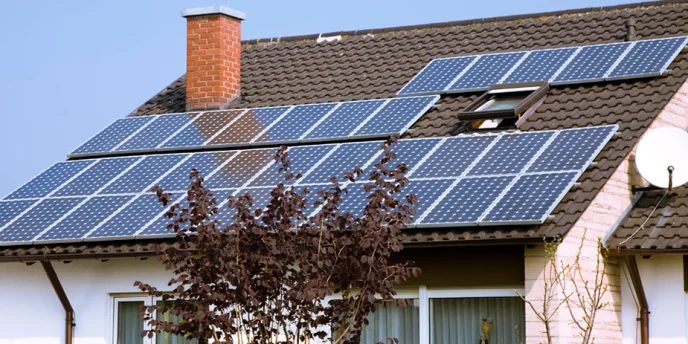
Historic England’s new guidance has opened up the world of solar power to listed buildings and indicates that solar is now a viable and acceptable option for renewable energy generation at these sites. Solar thermal panels, PV (photovoltaic) and solar slates can all be considered acceptable when used in the right way.
It is advised that you should avoid installation in primary/principal elevations to reduce the impact on the building’s significance and historical look. Mounting panels on out-buildings and listed land will also require permission on a case-by-case basis. Got a question?
Any consent needed? Yes, listed building consent is always needed for solar power installations.
Solar Success!
Explore how Simon & Rah transform a Victorian mansion into a net-zero living space.
Case Study
External Installations
Installing external awnings, shutters and blinds can reduce overheating and can now be installed in historic buildings, according to Historic England. Where these measures won’t impact the architecture or original finishes they can be installed with planning permission.
Balancing Heritage with Energy Efficiency:
To make things clearer, we’ve summarised Historic England’s advice for making changes into 2 handy lists:
Do:
- Design the installations to reduce harm to the building
- Think carefully about the install methods to protect people and property
- Get listed building consent for any planned measures, unless exempt as specified above
- Get planning permission if installing on out-buildings or land
Don’t:
- Compromise the building’s historical look or aesthetic
- Compromise any original features of interest – glass, masonry etc
- Underestimate how useful other methods of energy-saving can be in older buildings
Regulatory Considerations
- Listed building consent applications can be made online through the national Planning Portal or in paper directly to the local planning authority.
- Here’s Historic England’s guide to conservation areas.
Historic Building FAQs
Will retrofitting damage a historic building?
Retrofit can help heritage and historic buildings to remain viable for generations to come, with modern technologies offering ways to improve energy efficiency in older and traditional buildings without compromising their architectural heritage.
Will I need consent from historic england to make any changes?
You should get listed building consent for any planned measures, unless exempt as specified above. You also need consent for making any changes to out-buildings too
What's the 'whole building' approach?
Historic England advocates a “whole building approach” when considering adaptations to historic buildings. This means exploring a building’s “full context and unique make up to find a range of effective solutions that save energy and carbon, sustain its historic importance, whilst providing a safe and comfortable environment for the people who live there”



Can improving your EPC rating add value to your home?
A recent report by Rightmove has highlighted the financial benefits of improving Energy Performance Certificate (EPC) ratings.
Read more
Retrofitted Homes: Revisiting 10 Years on
A 10 year study shows the performance of 10 retrofitted homes, showing the findings, recommendations going forward and…
Read more