What is Solar Shading?
Solar shading can be a great way to stop your home overheating, as well as have a positive environmental impact and improve your energy efficiency.
Introduction
Solar shading is the practice of managing solar gain (heat input through windows and doors) into a property to increase comfort and energy efficiency. For example, you can use various materials to control the level of sunlight in your home, affecting the temperature and your building’s overall performance.
Consider this: Solar shading can be fitted so that it blocks the high angle of the sun in the summer, but allows the light and heat from the low angled winter sun into the building.


Why is it important?
Solar shading, in various forms, is important to moderate the internal temperature of your home.
How can solar shading benefit you?

It can optimise thermal comfort and prevent overheating

Increases visual comfort Shading can reduce light levels and glare inside the home

Reduce energy costs from mechanical ventilation

Moderating internal temperature reduces stress on building materials and increases longevity

Response to a Hotter Climate
As the global climate increase in temperature, the UK is experiencing more frequent heatwaves – increasing the demand on our housing stock to cope with hotter outside temperatures. Solar shading presents a solution to this challenge, reducing the need for mechanical ventilation and lowering carbon footprints in the long-term.
Overheating Info
Static Shading
Types of Fixed Solar Shading:
- Trees, hedges and other vegetation
- Overhangs, vertical fins or balconies
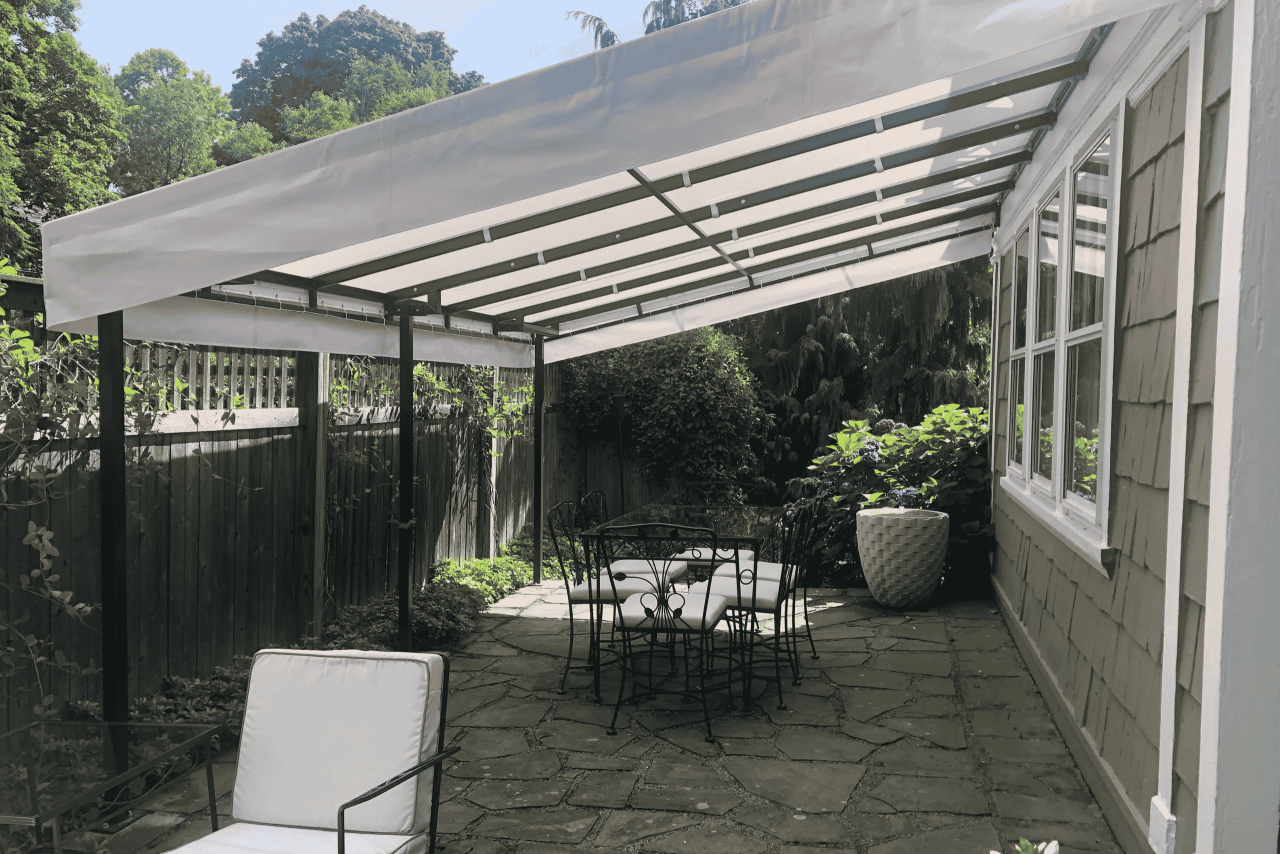
- External louvres or brise-soleil (external perforated screens which can shut-out or reduce direct sunlight into the building)
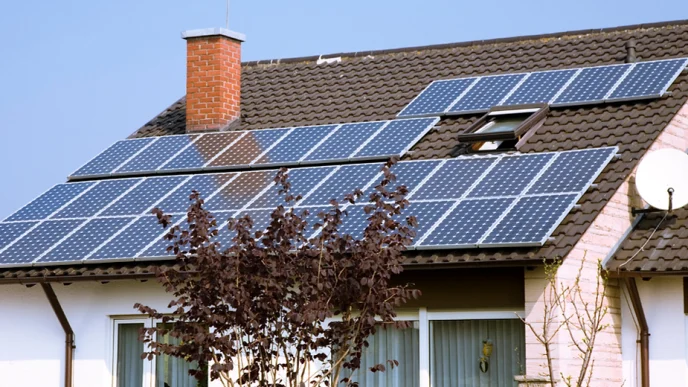
- Canopies and awnings (even solar panels)
- Solar-control window glazing
- Recessed windows
- Light shelves
- The size and shape of windows, and their orientation, is also considered part of solar shade design
Dynamic Shading
Types of Dynamic Solar Shading:
- Curtains
- Internal blinds
- Internal shutters
- External shutters
- Adjustable awnings, louvres and canopies.

Are Solar Panels Worth the Investment?
Curious if solar panels work in winter? Check out our blog for a quick overview. Spoiler: they do!… Read more »
Read more