Overview of Electric Heating
Electric heating covers a broad range of technologies – from the old-style storage heaters found in many off-gas homes to modern infrared panels and electric radiators. It is increasingly considered a low-carbon option as the electricity grid becomes greener through the growth of wind, solar, and other renewable sources.
Electric heating is not always the most cost-effective primary heating solution. Electricity remains more expensive per unit than gas in the UK, but for homes off the gas grid, flats where a heat pump is impractical, or rooms needing supplementary heating, it can be a practical and increasingly clean choice.
There are five main types of electric heating, each suited to different circumstances.
Types of Electric Heating
Storage Heaters
Storage heaters charge up using cheaper off-peak electricity overnight — typically on an Economy 7 or Economy 10 tariff — and release that stored heat throughout the day. They are most cost-effective when the majority of heat is needed during the day and the overnight charging rate is significantly cheaper than the daytime rate.
Older storage heaters are often poorly controlled and can leave homes too warm in the morning and too cool by evening. Modern high heat retention storage heaters are considerably better — they are more heavily insulated, store more heat for longer, and have smart thermostats and app controls that allow you to manage output more precisely. High heat retention models can be up to 27% cheaper to run than older storage heater models.
Storage heaters are one of the few electric heating options that can take advantage of off-peak tariffs, which is their main economic advantage.
Electric Radiators
Electric radiators heat up quickly and give precise room-by-room control via built-in thermostats and timers. Unlike storage heaters, they heat on demand rather than storing heat overnight, which makes them more flexible but means they use electricity at the standard tariff rate.
Modern electric radiators combine radiant and convective heat, which is more efficient than convection alone. They require no pipework, no boiler, and no annual service, making them straightforward to install and maintain. They are a practical option for individual rooms, extensions, or homes where installing wet central heating would be too disruptive.
Infrared Panels
Infrared panels work differently from most other heating systems. Rather than warming the air in a room, they emit radiant heat that is absorbed directly by walls, floors, furniture, and people. This means the warmth is retained by the fabric of the room rather than lost through ventilation or draughts.
Infrared panels typically run at lower wattages than convective heaters because they do not need to work as hard to maintain comfortable temperatures. They are slim, wall-mounted, and unobtrusive, and can double as mirrors or decorative panels. They are best suited to well-insulated rooms where the fabric of the building can absorb and retain the radiant heat effectively.
Panel Heaters
Panel heaters are the simplest and cheapest form of electric heating. They heat a room quickly through convection — warming the surrounding air — and are easy to install, often requiring only a standard plug socket. They are best used as supplementary heating in rooms that are used occasionally, such as a home office or spare bedroom, rather than as a primary heating source for the whole home.
Because they rely on convected heat, they are more prone to heat loss through draughts and poor insulation than radiant options. Running costs are higher per unit of heat than storage heaters or infrared panels.
Electric Boilers and Cylinders
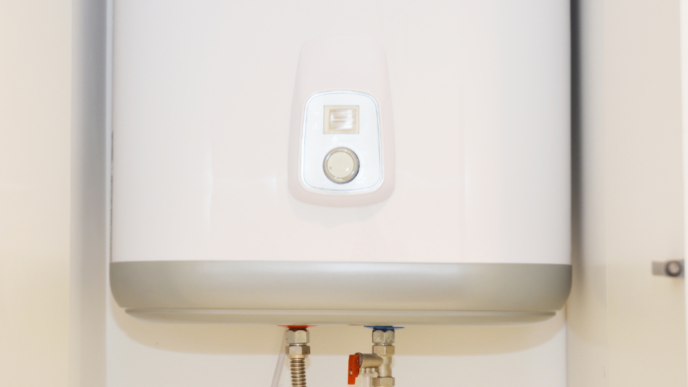
Electric boilers and hot water cylinders can provide central heating and hot water in homes off the gas grid. They work similarly to a gas boiler but run on electricity, heating water that is distributed through radiators and a hot water cylinder in the usual way. They are simpler to install than a heat pump and do not require outdoor space, but running costs are higher since they do not multiply the energy input the way a heat pump does.
Is Electric Heating Low Carbon?
Electric heating produces no direct emissions at the point of use, there is no burning of fuel in the home. Whether it is genuinely low carbon depends on how the electricity supplying it is generated. As the UK grid becomes increasingly powered by renewables, the carbon intensity of electricity is falling steadily. Paired with solar panels and battery storage, electric heating can be very low carbon indeed.
This is the key advantage electric heating has over gas over the long term. Even if running costs are higher today, the carbon credentials will only improve as the grid gets greener.

Which electric heating system is right for me?
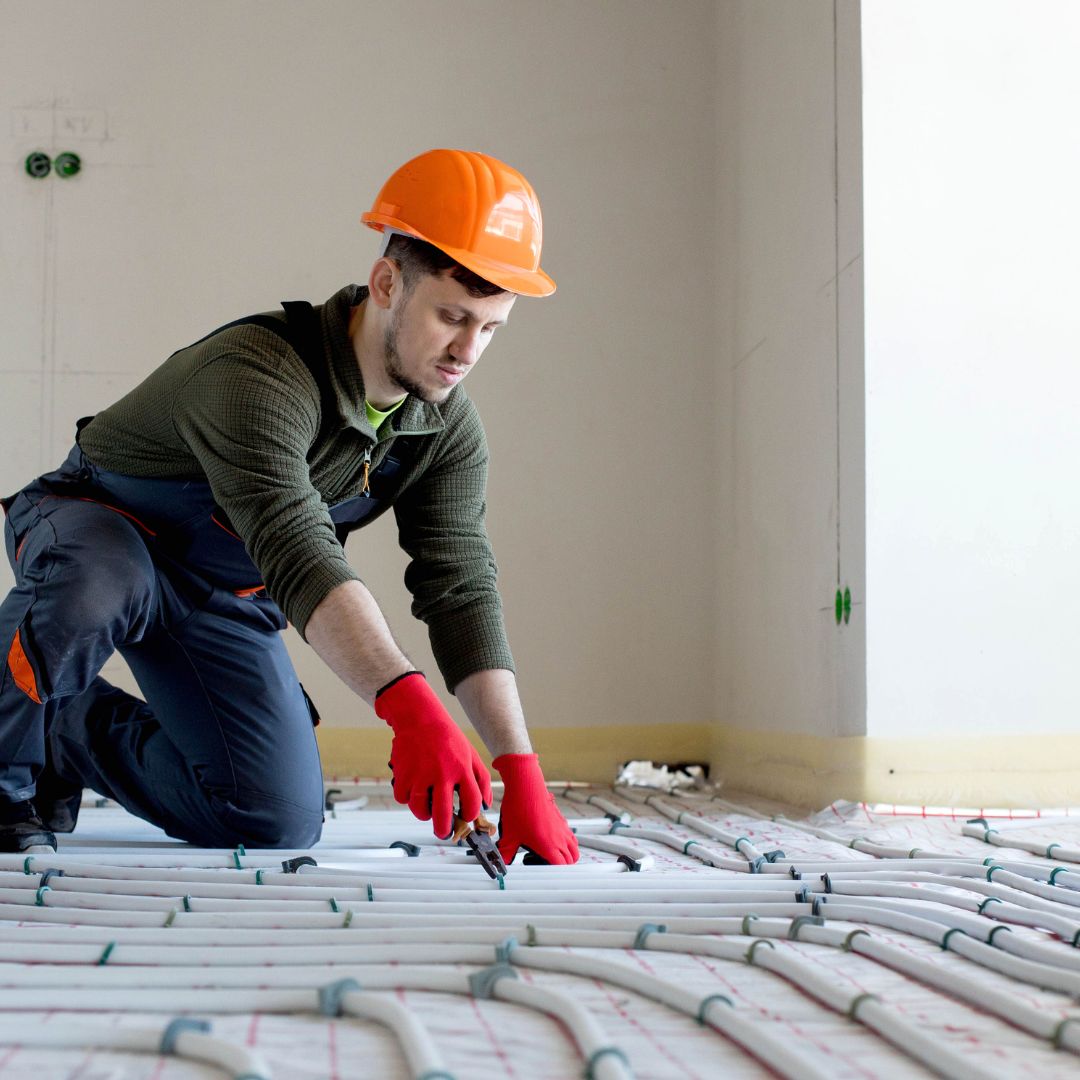
The key factors to consider are: how well-insulated your home is, your financial position and how much you want to reduce emissions. Direct electric heating is easy and cheap to install as it doesn’t require radiators or wet underfloor heating. However, it is usually more expensive to run once installed. It is typically suited to smaller, very well-insulated homes. Older, less-insulated properties will be less suited to electric heating as it will become very expensive to run as it’ll take more energy to heat the home.
Benefits of Electric Heating

Doesn't require a 'wet' central heating system, except for electric boilers

Low upfront cost for installation & little maintenance requirements

You can heat one room at a time, or 'top up' other heating systems flexibly

No carbon dioxide output
Electric Heating FAQs
Is electric heating expensive to run?
Electric heating can be more expensive to run, this is because electricity costs more per unit than gas. However, the gap is narrowing as energy prices shift, and the running cost depends significantly on which type of electric heating you choose and how well insulated your home is. Storage heaters on an off-peak tariff, and infrared panels in well-insulated rooms, tend to be the most cost-effective options. Pairing any electric heating system with solar panels and battery storage can substantially reduce what you pay to run it.
What is the most efficient type of electric heating?
For primary whole-home heating, a heat pump is the most efficient electric option. A heat pump produces three to four units of heat for every unit of electricity it uses. Among direct electric heating systems, infrared panels and high heat retention storage heaters are generally the most efficient. If efficiency is your primary concern, it is worth considering a heat pump before committing to a direct electric system. You can read more about heat pumps here.
Is electric heating suitable for my home if I am off the gas grid?
Yes, electric heating is one of the most practical options for homes without a gas connection. Storage heaters, electric radiators, and electric boilers are all well-established solutions for off-grid properties. A heat pump is also worth considering for off-grid homes as it delivers significantly more heat per unit of electricity, which helps offset the higher cost of electricity compared to gas.
Do storage heaters work with solar panels?
Storage heaters do not directly work with solar panels in most cases, because storage heaters charge overnight on off-peak tariffs and solar panels generate electricity during the day.
However, with a battery storage system you can store your daytime solar generation and use it to charge your storage heaters overnight, which can significantly reduce running costs.
It is worth discussing this with an installer if you have or are considering solar panels.
Can I replace my old storage heaters with something better?
The two most common upgrades to old storage heaters are modern high heat retention storage heaters. They are considerably more controllable and efficient than older models – or electric radiators, which offer more flexibility and on-demand heating.
Bear in mind that high heat retention storage heaters are recognised by EPC assessors as an efficient electric heating system, whereas standard electric radiators are not, so switching from storage heaters to electric radiators may lower your EPC rating even if the new system feels better to use day to day.
Will electric heating improve my EPC rating?
It depends on the system. High heat retention storage heaters are recognised as an efficient electric heating option under the current EPC methodology and can improve your rating compared to older storage heaters or panel heaters. Standard electric radiators and panel heaters are not rated as efficient under current EPC rules and may reduce your score.
If EPC rating matters to you, for example if you are a landlord, it is worth getting advice before switching systems.
Are there any grants available for electric heating?
Electric storage heaters can be covered under the Warm Homes Grant for eligible households. You can find out what might be available to you on our grants and funding page.

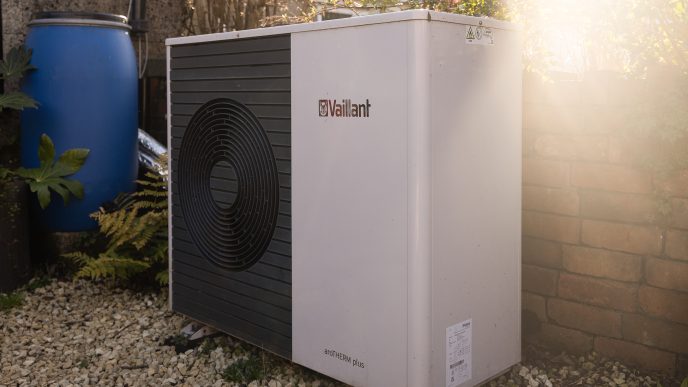
Air and Ground Source Heat Pumps
Heat pump technology provides you with a more energy efficient and climate friendly heating system for your home. Read more »
Read more