The Local Power Plan and the Power of Community
The government's Local Power Plan is the largest public investment in community energy in UK history. Here, we share why we welcome it, what we hope it keeps in focus, and what it could mean for homeowners across the region.
Published in February 2026, the Local Power Plan commits up to £1 billion from Great British Energy to fund solar, wind and hydro projects owned and run by communities across the UK. The ambition is loud and clear: by 2030, every community in the country should have the opportunity to own a local energy project, with the financial benefits staying in the places that generate them.
At a time of real global political instability, with household energy prices tied to markets and events far beyond our control, reducing the UK’s reliance on imported oil and gas matters more than ever. Community-owned energy is a meaningful part of that picture, and we are glad that the scale of investment behind this plan reflects that.
What we have learned from working with community groups
The Local Power Plan is right that community groups are central to making this work. But what does that actually look like on the ground?
People tend to act on things when they see someone they know do it first. A neighbour who got a heat pump and raves about it. A friend who went to a local workshop and came back full of ideas. That kind of peer recommendation is something community groups are uniquely good at creating.
We have seen this first-hand through our Community Group Grants project, which funds local organisations across the West of England to do exactly this kind of work. Go Green Widcombe, a volunteer-led group in Bath, used the grant to hold free retrofit talks at their local social club and over 100 residents came along. Many went on to make real changes to their homes.

The detailed talk on heat pumps was inspiring. We were considering one, and now can confidently go ahead. We’re next on the list!
– Widcombe, Bath resident
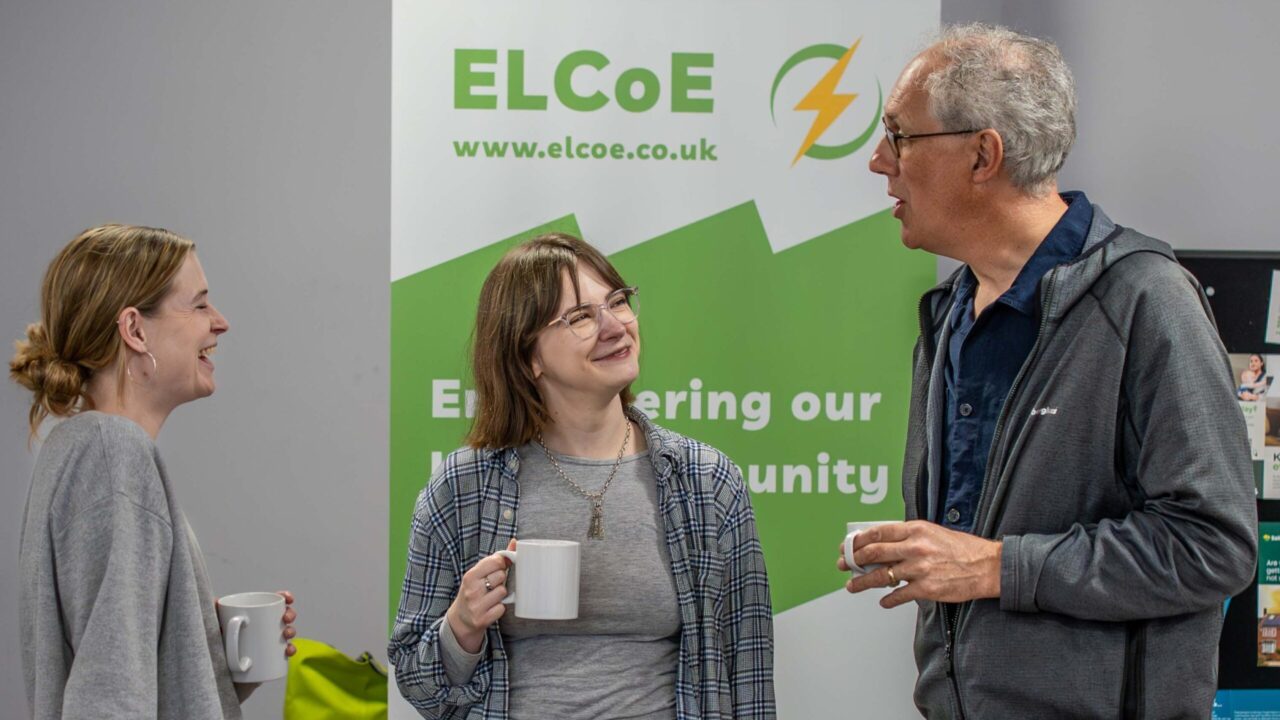
In South Gloucestershire, ELCoE hosted a Green Open Homes weekend, where residents walked around neighbours’ properties, saw insulation and heat pumps in real homes, and had honest conversations with the people who had made those changes. Residents Sarah and Pete attended, got a home energy assessment, made improvements, and came back the following year to open their own home to neighbours and share what they had learned.
Working with these community groups has taught us to trust that they know what their communities need. Not every area is the same, and not every approach works everywhere. The Local Power Plan will be stronger for recognising that and letting community groups lead in both planning and execution.
Communities should feel the benefits
For community energy to mean something to residents, the benefits need to be real and local. Lower bills. Income that stays in the area. A genuine sense of ownership over something that matters. The Local Power Plan speaks to all of this, and we hope it remains central during its implementation.

From community energy to greener homes
One thing we are particularly excited about is the potential for local community energy projects to get people thinking about their own homes. When a community solar installation goes up nearby, it sparks curiosity and gets people asking questions. And that curiosity often leads to thinking about what they could do at home too.
Which brings us to something worth saying clearly. Greener energy generation matters, but so does making sure our homes can use that energy efficiently. A leaky home wastes energy regardless of how green that energy is. And beyond energy bills, cold and damp homes take a real toll on people’s health and wellbeing.
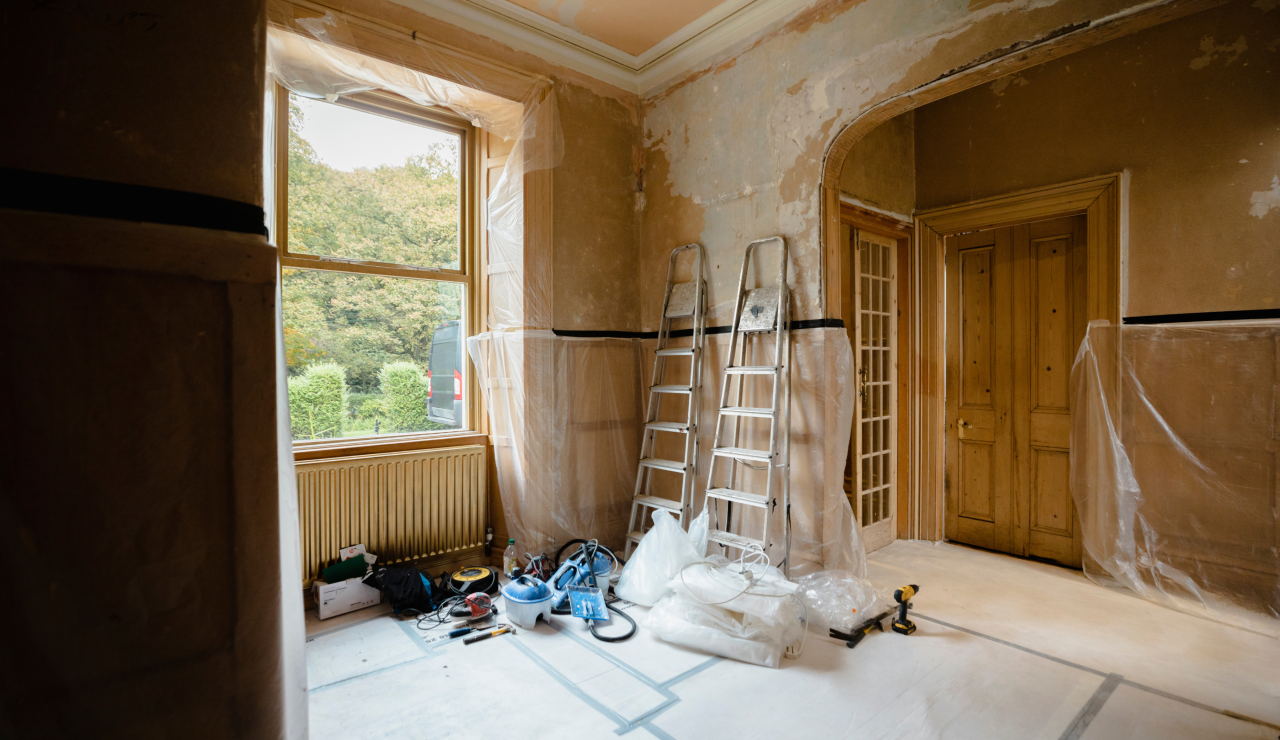


Addressing insulation, draught-proofing and ventilation first reduces the amount of energy a home needs in the first place. We hope that as the Local Power Plan develops, supporting people to improve their homes sits alongside the ambition for clean generation. Community groups are well placed to help residents make that connection, and we have seen how much difference it makes when they do.
What happens next
The groups we have worked with across the West of England are already doing this work, one conversation, workshop and event at a time. We cannot wait to see what they do next and what the Local Power Plan makes possible for communities across the region.
The Local Power Plan marks an exciting time for community energy in the UK, and we hope its impact is felt by homeowners across the West of England for years to come.